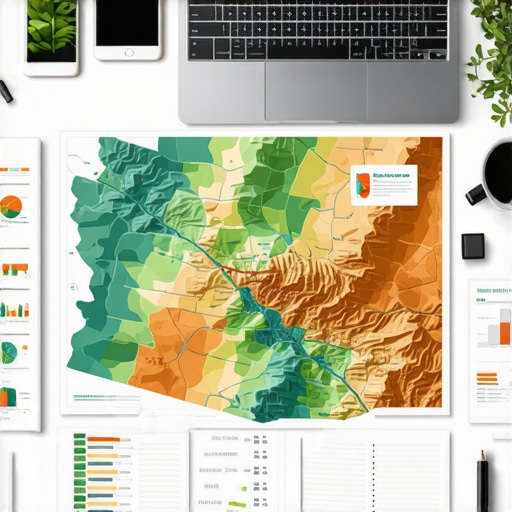
I remember the exact moment I realized I was leaving high-value leads on the table. It was a quiet Tuesday morning when a client called, frustrated because their Google Maps listing wasn’t bringing in the traffic it once did. Despite investing in traditional SEO techniques, their map pack visibility had practically vanished. That lightbulb moment spurred me to dig deeper into what had changed in 2026 and how local businesses in Arizona, especially in Chandler, could adapt to stay ahead.
Why Now Is the Crucial Time to Master Maps Ranking Arizona Strategies
The landscape of local SEO is shifting rapidly. Recent changes, including algorithm updates and new proximity rules, mean that old tactics just don’t cut it anymore. If you’re relying solely on the strategies you used last year, you’re likely missing out on high-quality leads that are right in your backyard. The importance of ranking high on those local maps packs isn’t just about visibility—it’s about dominating your neighborhood and making your business the obvious choice. According to a recent study, 78% of local mobile searches result in an offline purchase, emphasizing how critical map rankings are for local revenue.
But here’s the real kicker: many local business owners make avoidable mistakes that keep them hidden from potential customers. I’ve fallen into this trap myself early in my journey. I overlooked the significance of proximity factors and failed to optimize my Google My Business profile correctly, leading to a significant drop in map pack visibility. That experience taught me that understanding and applying the right tactics can be the difference between thriving and struggling in today’s crowded local markets.
So, if you’re feeling like your listings are stuck or your leads have plateaued, you’re not alone. Many Arizona shops face these challenges, but the good news is, it’s fixable. In the upcoming sections, I’ll walk you through three proven tactics tailored for 2026 that can transform your local map rankings and help you capture those high-value leads again.
Before we jump into the how-to, ask yourself: Have you recently checked whether your Google Maps profile leverages the latest tricks, or are you still relying on outdated methods? If you’re unsure, no worries—you’re about to discover solutions that can quickly turn things around and give you that competitive edge.
Optimize Your Google My Business Profile for Maximum Impact
Start by claiming and verifying your Google My Business (GMB) profile if you haven’t already. Ensure your business name, address, and phone number (NAP) are consistent across all platforms, including your website and local directories. Upload high-quality, relevant images regularly to engage users and signal activity to Google. Make your profile stand out by adding comprehensive categories and selecting the most accurate ones to reflect your services—this is akin to choosing the right compass for a navigation app, guiding customers directly to you. To deep dive into how the latest profile tweaks can convert clicks into leads, visit this guide.
Master Local SEO Content That Resonates with Your Community
Content is the map that guides locals to your shop. Create targeted content that addresses specific needs of Chandler residents—highlight local events, spotlight community stories, and showcase customer testimonials. Use keywords naturally within your website, blog posts, and social media posts. Think of this as planting signposts along a busy street—each one increases your visibility and authority in the neighborhood. To refine your content strategy further, explore this resource for proven content shifts tailored for 2026.
Leverage Proximity and Citation Hacks to Distance Your Competition
Proximity is king in 2026 maps ranking. To enhance your local rank, increase your physical visibility by adding your address to >local citations< and ensuring your location details are consistent everywhere. Additionally, optimize for proximity signals by encouraging customers to leave accurate reviews with geotags and check-ins. Think of these efforts as creating digital breadcrumbs leading Google and customers directly to your door. If you're seeing your listings drift away from top spots, these proximity hacks can help re-establish your dominance.
Engage Review and Reputation Strategies That Drive Clicks
Reviews are your virtual reputation—think of them as word-of-mouth endorsements that appear right within the maps pack. Actively solicit reviews from satisfied customers, making it easy for them to share their experiences. Respond promptly and authentically to all reviews; this demonstrates engagement and improves your credibility. Remember, a steady stream of positive reviews packed with local keywords can propel your listing ahead of competitors, especially in tight neighborhoods like Chandler. For specific review growth tactics, check these effective methods.
Track, Test, and Tweak Your Maps Strategy Regularly
Finally, treat your Google Maps ranking like a GPS route—continuous adjustments are necessary to stay on course. Monitor your rankings frequently, analyze which tactics yield the best results, and refine your approach accordingly. Use tools to understand movement patterns and validate your new tactics’ effectiveness; it’s similar to recalibrating a compass based on the latest magnetic readings. Don’t hesitate to revisit your profile, content, citations, and reviews periodically, ensuring they align with evolving algorithms and neighborhood trends. For ongoing best practices, explore this comprehensive checklist tailored for 2026 maps optimization.Many local businesses believe that simply optimizing their Google My Business profile or accumulating reviews guarantees top spots in maps rankings. But in my experience, these are superficial tactics that often mislead even seasoned SEO practitioners. The real nuance lies in understanding how Google’s local algorithms have evolved—especially in 2026—making some common beliefs outdated. For instance, a widespread myth is that proximity alone determines your ranking. While proximity is a factor, recent studies highlight the importance of trust signals and user engagement metrics, which many overlook. Focusing solely on physical location without integrating authoritative citations or optimizing for neighborhood relevance can be a costly mistake.
Another misconception is that more reviews always lead to higher rankings. In reality, review quality and relevance matter just as much as quantity. Genuine, keyword-rich reviews from locals can elevate your prominence more effectively than hundreds of generic ones. Also, many businesses neglect the importance of consistent NAP (Name, Address, Phone Number) across all directories, which can cause algorithm confusion and rank drops. Google’s emphasis on entity trust signals has increased, making it vital to establish your brand’s authority through local content and community engagement.
The ‘Oops’ factor here is relying on outdated SEO tactics like keyword stuffing in profile descriptions or backlinks from irrelevant sources. These can trigger spam filters and diminish your visibility. Instead, leverage advanced local SEO strategies, such as optimizing neighborhood signals and creating locally relevant content, to establish authority and trustworthiness. For example, dedicated content about Chandler’s community events or local partnerships can improve your relevance score.
For the advanced reader wondering how to navigate these complexities, ask yourself: Am I aligning my strategies with Google’s latest local algorithm updates? Are my trust signals convincing enough to outperform competitors who still cling to obsolete practices? If you’re interested in the details, I recommend exploring comprehensive guides like those at this resource or this checklist. Remember, understanding the nuances is what separates local winners from the rest. Have you ever fallen into this trap? Let me know in the comments.Staying on top of your Google Maps rankings requires more than just initial optimization; it demands consistent maintenance using the right tools and methods. Personally, I rely heavily on local SEO software like BrightLocal and Whitespark. BrightLocal’s advanced citation tracking helps me identify inconsistencies in NAP data across hundreds of directories, ensuring my clients’ listings stay authoritative and boost rankings. Whitespark’s Local Citation Finder uncovers high-quality citation opportunities that maintain proximity signals, which are crucial given recent shifts in Arizona’s local search landscape. Additionally, utilizing Google’s Search Console and Analytics helps monitor real-time performance metrics and user engagement, enabling me to tweak strategies before small issues become ranking drops. Regularly auditing GMB profiles with tools like GMB Spy or the native insights in Google’s dashboard ensures that reviews, photos, and profile data stay fresh and optimized for 2026’s evolving algorithms. Since Google’s algorithm emphasizes trust and engagement signals more than ever, maintaining a steady flow of genuine reviews and community interaction is vital. Trends indicate that AI-driven search personalization will further influence local map visibility, so staying current with industry updates is essential. For example, a recent patent filed by Google details how trust signals are weighted in ranking decisions, emphasizing the importance of authoritative citations and review relevance.
How do I maintain my maps rankings over time?
Incorporate ongoing data audits and review management into your routine. Regularly update your profile with new photos, respond to reviews promptly, and monitor citation consistency across websites. Set calendar reminders to revisit your online presence monthly, ensuring your information remains accurate and your community engagement continues. Consider using tools like Google Alerts to track mentions of your business or competitors, helping you spot opportunities for quick wins or potential issues before they affect your ranking. For strategic long-term focus, integrating local content updates—like highlighting seasonal events or community involvement—can also reinforce your authority. Remember, staying ahead in Arizona’s local SEO scene is a marathon, not a sprint, and leveraging powerful tools alongside proactive management sustains your visibility. As Google’s algorithms evolve toward emphasizing user trust and relevance, adopting these maintenance strategies will secure your spot atop the map for years to come. For a comprehensive approach tailored to 2026’s landscape, explore the detailed tactics in this resource. Don’t hesitate—try implementing scheduled citation audits today and watch your rankings stay resilient.
What I Wish I Had Known About Maps Ranking Arizona Early On
One of the toughest lessons I learned was the critical importance of community-focused content. Sometimes, I believed that technical tweaks alone could boost rankings, but I realized that genuine engagement and showcasing your local involvement truly resonate with both Google and customers. Another insight was the swift impact of outdated citation management—the moment I cleaned up inconsistent NAP data, my visibility improved rapidly. Lastly, understanding that trust signals like authentic reviews trump sheer quantity reshaped my entire approach; quality interactions create a more sustainable advantage in Chandler’s competitive local scene.
Tools That Helped Me Stay Ahead in Arizona Local SEO
Aligning my strategies with the most effective tools has been a game changer. I trust BrightLocal for citation audits because it uncovers hidden inconsistencies that could be hurting my rankings, especially in the nuanced Chandler market. Whitespark’s Local Citation Finder has been invaluable for discovering high-impact citation opportunities that boost proximity signals. Additionally, Google Search Console offers real-time insights into performance metrics, guiding timely adjustments. Lastly, leveraging Google’s Insights within GMB helps me keep the profile fresh and aligned with evolving algorithms, which is crucial in 2026’s landscape.
Keep Going: Your Maps Probability Starts Here
Remember, mastering Google Maps ranking is an ongoing journey—every update, every shift in algorithms, is an opportunity to refine your approach. Stay proactive, keep learning, and never underestimate the power of authentic engagement within your Chandler community. Your dedication today sets the foundation for dominating the local map pack tomorrow. Ready to take the next step? Embrace these insights, apply them consistently, and watch your local leads soar!

This post really hit home about the importance of keeping up with the latest in local SEO strategies, especially with how much Google’s algorithms seem to change in 2026. I agree that relying solely on traditional tactics like keyword stuffing or even basic NAP consistency isn’t enough anymore. The emphasis on trust signals and community engagement really stands out as the way forward. I’ve seen firsthand how quickly a business’s visibility can drop when outdated methods are relied upon, and the importance of tools like BrightLocal and Whitespark for ongoing audits can’t be overstated. I also appreciate the focus on locally relevant content—highlighting community stories or local events really does seem to resonate more with Google’s current algorithms. For anyone struggling to stay ahead, have you found any particularly effective ways to encourage more customer reviews that include geotags or local keywords? I’d love to hear others’ experiences with boosting reviews organically, especially in a competitive local market like Chandler.
I completely agree with the emphasis on community-focused content. From my experience working with local businesses here in Phoenix, consistently sharing stories about community involvement really boosts both engagement and local relevance. I’ve noticed that when businesses highlight local events or partner with community organizations, their visibility on maps improves noticeably, especially when coupled with genuine reviews from locals. One challenge I’ve encountered is encouraging satisfied customers to leave geotagged reviews without seeming pushy. Has anyone found effective and natural ways to motivate clients to include specific keywords or geotags in their reviews? I believe authentic interactions, like personalized follow-ups or offering small incentives, can make a difference. Also, I wonder how AI-driven personalization might further shape review strategies in 2026. It’s fascinating to see how these nuanced tactics can really help outrank competitors that stick with outdated methods.