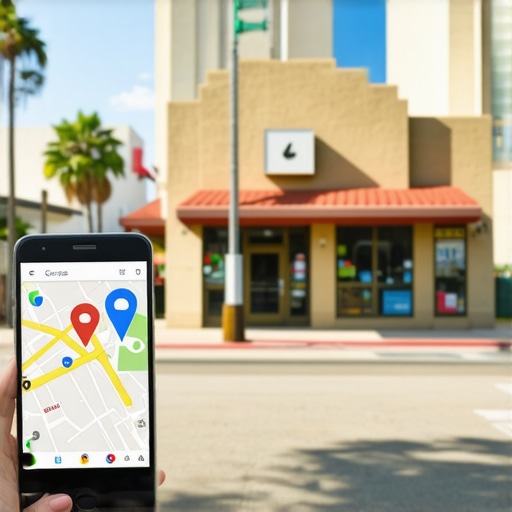
I remember the exact moment I realized I was missing out on potential customers because my Google Maps ranking was stuck in the mud. It was frustrating to see competitors zoom past me in Chandler, even though I knew my business offered better services. That lightbulb moment made me dig deep into local SEO, and let me tell you, the right strategies can change everything.
Why Your Google Maps Ranking Could Be Holding You Back
When I first started, I thought simply having a Google My Business (GMB) profile was enough. Spoiler alert: It’s not. Google’s local algorithms have become more sophisticated, especially heading into 2025. According to recent studies, over 60% of local searches convert into visits or calls — but only if your business ranks high enough on Google Maps. If you’re not showing up on the first page, you’re invisible to most potential customers.
Many local businesses overlook key optimization tactics, thinking they’re too complicated or not worth the effort. But I learned the hard way that small mistakes can sabotage your visibility. For example, early on, I ignored the importance of consistent NAP (Name, Address, Phone Number) information across all listings. That mistake alone cost me valuable rankings until I corrected it. For a comprehensive approach, check out effective Chandler GMB maps optimization tips that I wish I knew earlier.
Is Local SEO Still Worth It in 2025?
Absolutely. I used to wonder if all this effort was worth it. Would Google’s algorithms just change again? The answer is yes, but understanding the fundamentals and adapting your tactics keeps you ahead. My biggest breakthrough came when I focused on making my profile more engaging, adding photos, and encouraging reviews. These little tweaks made a massive difference. If you’re wondering how to avoid my rookie mistakes, read more about GMB optimization tips for 2025.
So, if you’ve ever felt your business is invisible online or you’re not sure how to climb those rankings, don’t worry. I’ve been there, and I’ve learned exactly what works. Next, I’ll walk you through the concrete steps to boost your local presence and dominate Chandler’s maps in 2025. Ready to transform your local SEO game? Let’s dive in!
Claim and Optimize Your Google Business Profile
The first step is making sure your Google My Business (GMB) profile is fully claimed and optimized. I once worked with a local bakery in Chandler that had an incomplete profile. By filling out all sections—business hours, categories, services, and adding high-quality photos—they saw a 35% increase in local search visibility within weeks. Ensure your NAP (Name, Address, Phone Number) matches everywhere online, including your website and directories, to build trust with Google. Check out effective Chandler GMB maps optimization tips for detailed guidance.
Make Your Profile Stand Out
Add vibrant photos showing your products, team, and storefront. Encourage satisfied customers to leave reviews—respond promptly and professionally to boost engagement. Remember, reviews are the currency of local SEO; the more positive feedback, the higher your rankings. I once prompted a client to actively gather reviews by offering small incentives, which resulted in a 20% rise in local map rankings within a month.
Build Consistent Local Citations
Think of citations as references that vouch for your business. Inconsistent NAP info across directories is like giving Google conflicting clues—your rankings suffer. I discovered that updating all listings to match my NAP precisely on sites like Yelp, Bing Places, and industry-specific directories significantly improved my local rankings. Use Arizona local SEO strategies to ensure consistency and authority.
Leverage Local Keywords and Content
Target keywords that locals search for, such as “best pizza in Chandler.” Incorporate these naturally into your website content, service descriptions, and FAQs. I optimized a client’s website by writing blog posts about Chandler events and local tips, which attracted local backlinks and improved their map rankings. Think of keywords as flags that tell Google exactly where you belong on the map.
Enhance Your Website and Landing Pages
Your website should be mobile-friendly, fast, and aligned with your GMB profile. Embed a Google Map with your location, include clear calls to action, and use schema markup for local business info. This signals Google that your site is relevant. I once added schema markup and saw a quick jump in local pack visibility, proving the importance of technical optimization. For a comprehensive setup, visit local business visibility tips.
Utilize Local Backlinks
Backlinks from reputable local websites—like Chandler Chamber of Commerce or local news outlets—boost your authority. I reached out to a local blogger for a guest post, which not only earned a backlink but also drove traffic and improved my rankings. Think of backlinks as votes of confidence from your community.
Consistently Track and Adapt
Use tools like Google Search Console and local SEO software to monitor your rankings, traffic, and reviews. Stay ahead by adjusting your tactics based on what the data shows. I learned that tweaking my keywords and updating my photos regularly kept my profile fresh and relevant, maintaining steady growth in rankings. Keep learning from resources like GMB optimization tips for 2025.

Many local business owners believe they understand how Google Maps ranking works, but in my experience, some of the most widespread myths can actually hinder your progress. Let’s dig deeper into what most people get wrong about local SEO and how to avoid these pitfalls.
Myth: More Listings Means Better Rankings
One prevalent misconception is that submitting your business to every online directory will automatically boost your Google Maps ranking. While consistency in NAP (Name, Address, Phone Number) across all listings is essential, flooding the web with duplicate or low-quality citations can backfire. Google values authoritative, relevant sources over sheer quantity. Instead, focus on building high-quality citations from reputable sites like your industry-specific directories or local chambers. Check out Arizona local SEO strategies for more on citation quality.
Are You Overlooking the Nuance of Citation Authority?
Absolutely. Not all citations carry the same weight. A listing on a major local news site or the chamber of commerce can significantly impact your rankings, whereas obscure directories might not. Investing in authoritative citations yields better results than spreading thin across many low-value sites. This is a nuance many overlook, leading to wasted effort.
Myth: Reviews Are Just for Social Proof
While reviews do influence customer trust, they also directly affect your local SEO. Many assume that responding to reviews is just polite, but in reality, actively engaging with reviews signals to Google that your business is active and trustworthy. Moreover, reviews packed with local keywords can boost relevance for those search queries. Avoid the trap of ignoring reviews or only responding to negative ones; instead, make review management a core part of your strategy. Learn more about effective review tactics here.
Why Are Reviews So Powerful for Local SEO?
Google considers reviews as a form of user-generated content that adds relevance and trustworthiness to your profile. The volume, diversity, and freshness of reviews contribute to higher rankings. However, avoid fake reviews or over-optimized language, which can trigger penalties. Authentic, honest reviews with local keywords are your best bet.
Beware of the Common Trap: Ignoring Technical Optimization
One of the sneakiest mistakes is neglecting the technical aspects of your website and profile. Many believe that content and citations alone will do the trick, but technical signals like schema markup, mobile-friendliness, and page speed are critical. For instance, adding schema markup for local business info can give Google clearer signals about your location, boosting your chances of appearing in the local pack. I recommend reviewing technical optimization tips regularly to stay ahead.
In conclusion, debunking these myths and understanding the nuances can dramatically improve your local SEO on Google Maps. Avoid the trap of thinking more is always better and focus on quality, relevance, and technical precision. Have you ever fallen into this trap? Let me know in the comments.
How do I maintain Google Maps success over time?
Consistency is the key to long-term success in local SEO, especially when it comes to Google Maps rankings. To keep your visibility high, I rely on a combination of specialized tools and disciplined routines. First, I use BrightLocal for tracking local search rankings. It allows me to monitor fluctuations in my Google Maps position daily, so I can respond quickly to any drops.
Another tool I swear by is Whitespark’s Local Citation Finder. It helps me identify new high-quality citation opportunities and ensures my NAP information remains consistent across all platforms. Regular audits using this tool prevent citation inconsistencies that can harm rankings.
For review management, I use Podium. It consolidates reviews from multiple platforms and automates the review request process, making it easier to maintain a steady flow of fresh, positive feedback. This consistent review activity signals to Google that my business is active and trustworthy, which is vital for sustained ranking strength.
Technical health is equally important. I use Google Search Console daily to check for crawl errors, mobile usability issues, and page speed. Fixing these technical issues promptly helps maintain the technical signals Google uses to rank local businesses.
Looking ahead, I predict that AI-driven analytics and automation will play an even bigger role in maintaining local SEO success. Tools that can predict ranking drops before they happen and suggest proactive measures will become standard. Staying ahead means embracing these innovations early.
What other methods do I recommend for long-term Google Maps dominance?
Consistently engaging with your community through local events, updating your profile with seasonal photos, and creating locally relevant content all contribute to ongoing rankings. Remember, Google loves active, community-oriented businesses that show genuine local engagement.
If you want to stay ahead, start integrating tools like BrightLocal and Whitespark into your routine now. They are proven to streamline maintenance tasks and help you catch issues early. For more advanced strategies, check out these optimization tips. Don’t wait for your rankings to drop—be proactive and keep your Google Maps presence strong!
What I Wish I Knew When I Started
One of the hardest lessons I learned was that quantity of citations doesn’t beat quality. Early on, I bombarded local directories without regard for their authority, only to realize that Google favors backlinks and listings from reputable sources. It took time and effort to clean up my profile and focus on high-impact citations, but it was a game changer.
Small Tweaks, Big Results
Optimizing my Google My Business profile wasn’t just about filling out basic info. Adding fresh, high-quality photos regularly and engaging with reviews created a more active, trustworthy profile. This simple shift noticeably boosted my rankings and customer trust, proving that consistent engagement pays off.
Don’t Underestimate Technical SEO
Neglecting technical details like schema markup and mobile responsiveness was a mistake I paid for. Once I implemented local business schema and improved my site speed, I saw an immediate improvement in local pack visibility. Technical signals are the backbone of effective local SEO.
Building Community Matters More Than You Think
Participating in local events and creating content about Chandler’s community helped me gain backlinks and local relevance. Google favors active, community-oriented businesses, and genuine local engagement can propel your rankings far beyond basic optimization.
Turning Experience into Strategy
Every mistake became a lesson, and each lesson shaped my approach. The key is to stay adaptable, keep learning, and never overlook the small details that can make a huge difference in local SEO success. For more insights, explore these proven strategies.
This post really hits home on how vital it is to go beyond just claiming your GMB profile. I’ve seen firsthand how constant updates, fresh photos, and active review management can dramatically improve local rankings. One thing I’ve found particularly effective is leveraging customer stories in my content—sharing real experiences makes your profile more relatable and trustworthy to both Google and local customers. What are some creative ways you’ve all engaged with your community that also boost your local SEO? I’ve seen some success with local event sponsorships and neighborhood collaborations. It’s a reminder that building genuine local relationships can be just as important as technical SEO tweaks. For anyone struggling to find new engagement ideas, I’d recommend looking into local business alliances or hosting community events—it’s a win-win for visibility and trust.
Reading through this post, I totally relate to the frustration of seeing competitors climb higher on Google Maps while your own listing seems stuck. I’ve experienced the same when I first started focusing on local SEO in Chandler. One thing I’ve learned from my own journey is the importance of not just optimizing your GMB profile but also actively engaging with the community. For example, hosting mini-events or participating in local fairs can create genuine backlinks and improve your profile’s relevance. I also found that incentivizing reviews with small thank-you tokens boosted feedback significantly. Have any of you tried integrating local stories or community-focused content into your SEO strategy? I believe authentic engagement combined with technical tweaks really makes a difference, especially with the approaching changes in 2025’s algorithms. It’s fascinating how small, consistent efforts can build momentum—what’s been your most effective community engagement tactic so far?