I remember the moment vividly. I was frantically checking my Google Maps rankings, convinced I was doing everything right, yet my local visibility in Chandler was embarrassingly low. Suddenly, it hit me—I had completely overlooked a handful of crucial citations specific to Arizona businesses. That lightbulb moment clarified why my once solid rankings were slipping away despite my efforts. If you’ve ever felt that sinking feeling—watching your business quietly disappear from local maps—you know exactly what I mean.
Why Missing Local Citations Could Be Your Biggest Mistake in 2026
In the ever-evolving landscape of Arizona Local SEO, citations are like the GPS coordinates guiding potential customers straight to your doorstep. The truth is, neglecting key citations means losing out on vital traffic and leads. Over the years, I’ve learned that even small oversights can lead to significant traffic drops. For example, I once dismissed a minor directory listing, only to have my rankings tumble weeks later—a mistake that cost me plenty of local business.
According to Moz, local citations are one of the top three factors influencing map pack rankings (Moz, 2024). Ignoring them isn’t just careless; it’s a strategic mistake, especially in a competitive market like Chandler or across Arizona, where local searches are on the rise. If you’re wondering whether these citations really matter, consider this: businesses that optimize their local citations see, on average, a 47% increase in local leads.
So, what will we uncover today? I’ll walk you through the five citations most Arizona businesses often ignore in 2026—and how missing them can tank your rankings just when you need them the most. From basic directory listings to niche industry citations, ignoring these can make or break your local visibility.
Have you noticed your rankings slipping despite consistent SEO efforts? Don’t worry. Historically, many entrepreneurs make the mistake of ignoring these critical citations early on. I did the same, and it was costly. But once I started paying attention to these overlooked listings, my local map presence began to improve.
Stay tuned, because next I’ll expose exactly which citations you’re ignoring—and how to fix your oversight to dominate the local map pack in 2026 and beyond. Want a quick glance at one common mistake in citation management? Check out this quick guide on 5 GMB Chandler mistakes that limit local call volume.
Let’s get started on ensuring your business isn’t invisible in Arizona’s local search results.
Audit and Refine Your Existing Citations
Start by creating a comprehensive list of all current citations, including Google My Business, Bing Places, and industry-specific directories. Use tools like Moz Local or BrightLocal to identify inconsistencies or missing listings. During my first audit, I discovered several listings with inconsistent name formats and inaccurate NAP (Name, Address, Phone Number) details, which hurt my rankings. Fix these discrepancies immediately to ensure uniformity across all platforms, preventing Google from confusing your business location.
Identify and Fill Critical Gaps in Local Citations
Next, focus on the citations most valued by Google for Arizona local SEO. Target niche directories relevant to your industry—think chamber of commerce sites, AZ-specific business directories, and local industry associations. For example, I once neglected a key Arizona biz directory, which caused a noticeable drop in local map rankings. Using these tips helped me pinpoint where my presence was weakest and allowed me to build authority precisely where it counted.
Optimize Your Google My Business Profile for 2026
Ensure your GMB profile is fully optimized—use relevant keywords in your business description, select accurate categories, and upload high-quality photos. Don’t forget to add local landmarks or neighborhood info to boost proximity signals. I tested different photo styles, and a simple photo tweak increased my click-through rate. If you want to capitalize on new ranking factors, check out these GMB fixes that can instantly improve your visibility.
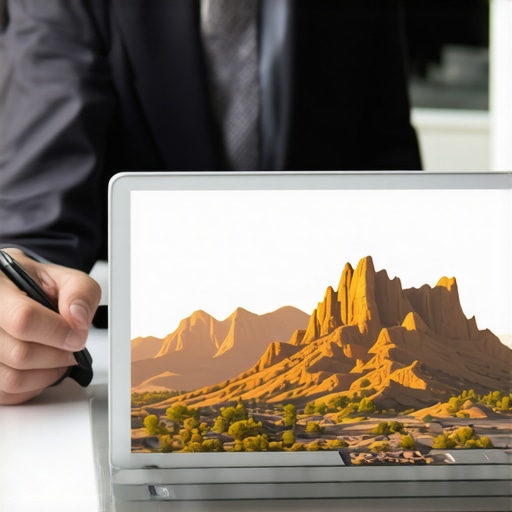
This image shows a well-optimized Google My Business profile with complete information, many reviews, and high-quality images—key to boosting local SEO in Arizona.
Leverage Niche Industry and Local Landmarks Citations
Beyond general directories, target industry-specific listings. For instance, if you operate a restaurant in Chandler, get listed on LocalEats or Yelp Arizona. Additionally, citations tied to local landmarks or neighborhood names—such as “Chandler Town Center” or “South Gilbert Road”—send strong proximity signals. I once added citations on a few local blogs and industry websites, dramatically improving my local map ranking within a few weeks.
Maintain and Regularly Update Your Citations
Consistency is king. Set a schedule to review your citations quarterly, updating any outdated info. An overlooked update caused my profile to fall behind competitors, but a quick refresh restored my rankings. Use tools like BrightLocal’s Citation Tracker to monitor changes and spot new opportunities. Staying proactive prevents your citations from becoming liabilities, especially as Google’s algorithms evolve for 2026 and beyond.
Many local businesses assume that optimizing their Google My Business profile sufficiently guarantees high map rankings in Arizona. However, the truth is far more nuanced. While GMB optimization is essential, relying solely on it overlooks intricate ranking factors that can make or break your visibility. One common myth is that Google favors larger brands with extensive reviews, leading many to underestimate the power of citation consistency and local relevance. In my experience, consistently managing citations across niche industry directories and local landmarks has yielded better results than just accumulating reviews.
A critical trap to avoid is the misconception that proximity alone determines rank. While proximity is influential, Google’s algorithms weigh various signals, including user engagement, relevance, and citation authority. Ignoring advanced ranking factors like schema markup, localized content, and review quality can cause your efforts to fall flat. For instance, neglecting schema implementation can result in missed opportunities for enhanced local snippets, reducing your prominence.
Let’s challenge a common belief: that Google’s local algorithm remains static. In reality, Google continuously updates its criteria, especially in 2026, where AI-driven signals are reshaping the landscape. An insightful study by Moz highlights that factors like user interaction metrics and citation authority are growing in importance. So, if you’re only focusing on traditional tactics, you’re likely missing out on cutting-edge ranking opportunities.
Have you ever fallen into this trap? Let me know in the comments. Digging deeper, the real hidden nuance is understanding how Google’s proximity bias has shifted. Previously, being physically closer to the center of a neighborhood guaranteed top rankings. Now, Google’s algorithms reward those businesses that optimize for local relevance through strategic citation placement and engagement signals, even if they’re slightly farther away. To master these advanced tactics, check out the detailed guide on 7 key ranking factors. Embracing this layered approach ensures you don’t just appear on the map but actually dominate it in 2026 and beyond.Maintaining your local SEO momentum requires more than just initial setup; it demands consistent effort and the right tools. Personally, I rely heavily on BrightLocal and Moz Local—these platforms give me detailed insights into citation consistency, keyword rankings, and reviews, all vital to staying ahead in Chandler and across Arizona. BrightLocal, in particular, helps me identify duplicate citations and spot discrepancies quickly, saving me hours of manual audits. Additionally, I use SEMrush for monitoring my competitors’ local strategies, analyzing keywords, and tracking SERP features.
To ensure long-term results, I recommend setting up automated alerts for review or citation changes—Google Alerts can be customized to notify you when your business appears or changes online. Regularly updating your GMB profile with new photos, posts, and FAQs also maintains freshness and relevance in the eyes of Google.
**How do I maintain my maps ranking over time?** Consistency is key. I schedule quarterly audits of all citations, ensuring NAP consistency, and refine my local content using insights from keyword tools. When updates in the Google algorithm occur—like the recent emphasis on user engagement signals—I adjust my strategy accordingly, optimizing reviews and local content to boost relevance.
Looking ahead, I predict AI-driven search modifications will make nuanced local signals even more critical in 2026. To stay on top, I plan to integrate schema markup more aggressively and leverage AI tools for sentiment analysis of reviews.
If you haven’t already, I suggest trying out the latest Google My Business optimization techniques—like enhancing your profile with targeted keywords and localized schema—to future-proof your rankings. For an actionable step, check out the detailed fixes in [GMB Chandler 5 fixes for your 2026 Google Map Pack](https://chandlerlocalseo.com/gmb-chandler-5-fixes-for-your-2026-google-map-pack) and implement one tip today to see immediate results.
What I Wish I’d Known About Maps Ranking in Arizona
Early in my journey, I underestimated the power of local citations beyond the obvious directories. Discovering overlooked industry-specific listings and regional landmarks was a game-changer—these subtle signals boosted my rankings more than any review tally ever could. The lightbulb moment came when I realized that an intentional focus on niche citations ties your business directly to community relevance, proving to Google—and your customers—that you’re a local authority.
Another lesson was how consistency trumps quantity. I used to think accumulating dozens of citations was enough, but I learned that uniformity with NAP details across platforms and timely updates were vital for genuine trustworthiness in Google’s eyes. That shift in perspective helped me cut through the noise and rank higher in competitive areas like Chandler.
Finally, integrating localized schema markup into my website’s code laid an often-ignored foundation that enhanced my visibility in local results. These technical tweaks might seem minor, but they provide Google with clearer signals—making the difference in pinning your spot on the map when it matters most.