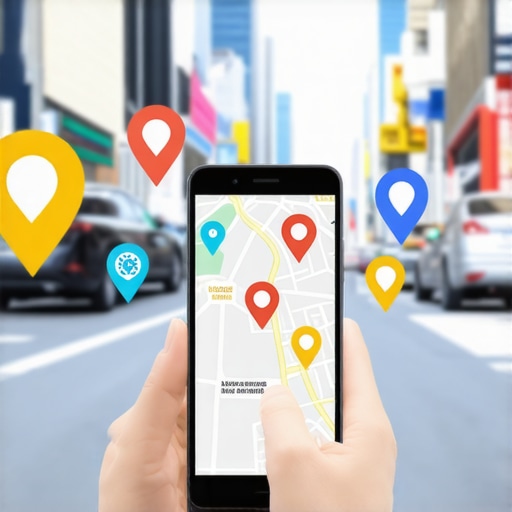
Ever had that sinking feeling when your local business isn’t showing up on Google Maps, even after pouring hours into your marketing efforts? I remember the frustration vividly—spending weekends tweaking my profile, only to watch competitors outrank me for key local searches. It felt like shouting into the void, hoping customers would find me, but they just couldn’t. That lightbulb moment hit when I realized I was missing a crucial piece of the puzzle: strategic local SEO tailored specifically for Google Maps.
Why Local SEO on Google Maps Is the Game Changer You Can’t Ignore
In my early days, I underestimated the power of Google Maps for local visibility. I thought having a decent website was enough. But then, I learned that over 70% of local searches lead to offline visits within a day, according to recent data from BrightLocal. That means if your business isn’t optimized for Maps, you’re losing out on a flood of nearby customers actively looking for your services. It’s no longer optional—it’s essential. Today, I’ll walk you through the proven tactics that transformed my local presence and can do the same for you.
Is All This SEO Stuff Really Worth the Hype?
Early on, I made the mistake of thinking that just having a Google My Business (GMB) profile was enough. I didn’t realize how much I was neglecting key optimization strategies. The truth is, without proper local SEO techniques, your business can easily get buried under competitors who understand the nuances of Maps rankings. If you’re worried about wasting time and resources, I get it. But trust me, the right strategies—like those detailed in this guide—are well worth the effort. They can make your business the go-to in Chandler and beyond.
So, have you faced the challenge of getting your Google Maps listing to stand out? If so, you’re not alone. But the good news is, with a targeted approach, you can turn the tide in your favor. Let’s dive into how to do just that—starting with the fundamentals and moving into the advanced tactics that will secure your spot at the top of local search results.
Secure Your Google Maps Listing and Claim Your Spot
The first step I took was claiming and verifying my Google My Business (GMB) profile. Imagine trying to win a race without crossing the starting line—that’s what your business is doing if your GMB isn’t verified. I logged into my Google account, navigated to this guide and followed the prompts to claim my listing. Once verified, I ensured all details—name, address, phone number—were consistent across every platform, just like a reliable GPS that always points in the right direction. This consistency is the foundation of local SEO. Without it, your chances of ranking are slim, similar to a GPS losing signal in a maze.
Optimize Your Google My Business Profile
Next, I optimized my profile with relevant keywords, high-quality images, and detailed descriptions. Think of your GMB profile as a storefront window—if it’s dull or incomplete, passersby will ignore it. I used this guide to fill every section thoroughly, including services, hours, and attributes. I also uploaded crisp, professional photos that showcased my offerings—visuals are like window displays that attract customers. Remember, Google favors profiles that are active and complete. I posted weekly updates, responded to reviews, and kept my info fresh, turning my listing into a bustling shop rather than a deserted alleyway.
Leverage Local Keywords and Content
Keyword stuffing is a thing of the past; modern local SEO is about relevance. I integrated local keywords naturally into my business description and posts. For example, instead of just saying “plumber,” I added “Chandler emergency plumber” or “best Chandler plumbing services.” To do this effectively, I used tools like Google Keyword Planner and checked competitor profiles to see what terms they ranked for. Think of keywords as the signs guiding customers—if your signs point the right way, more people will find you. I also created posts about local events or news, making my profile more engaged and relevant—like a local newspaper that everyone trusts. This strategy signals to Google that your business is a vital part of the Chandler community.
Gather and Manage Customer Reviews
Reviews are social proof—they can make or break your local rankings. I reached out to satisfied customers asking them to share their experience. I made this easy by providing direct links or QR codes. When a review came in, I replied promptly, thanking customers and addressing concerns. This interaction is like a friendly face in your store—people trust businesses that engage sincerely. Positive reviews boost your credibility and improve your rankings, while negative ones are opportunities to demonstrate excellent customer service. I learned that consistently managing reviews can elevate your profile, making it stand out against competitors.
Build Local Backlinks and Citations
Backlinks from local directories and partner websites act as votes of confidence. I submitted my business to reputable local directories listed in this resource. I also collaborated with local bloggers and chambers of commerce to get backlinks—these are like endorsements from trusted neighbors. Ensuring my name, address, and phone number (NAP) were consistent everywhere was critical; mismatched data is like a GPS with conflicting signals, confusing Google and customers alike. Regularly updating citations and backlinks keeps your profile fresh and authoritative, which is key in the competitive Chandler market.
Monitor, Analyze, and Adjust Your Strategy
Finally, I set up regular tracking using tools like Google Analytics and GMB insights. I monitored which keywords, reviews, and posts generated the most engagement. Based on this data, I adjusted my content and outreach efforts. It’s like tuning a musical instrument—constant refinement ensures peak performance. By staying agile and informed, I kept my Google Maps ranking climbing steadily. This proactive approach is what separates the winners from the rest in Chandler’s local scene. For more detailed tactics, explore this comprehensive guide.
Many business owners believe they understand the ins and outs of optimizing for Google Maps, but several misconceptions can lead you astray. Let’s dig deeper into what most people get wrong about local SEO and how to avoid these pitfalls to truly dominate your local market.
Are backlinks from local directories really that important?
It’s a common belief that submitting your business to every local directory automatically boosts your rankings. While backlinks are valuable, not all directories carry equal weight. Focus on reputable, relevant sources—such as local chambers or industry-specific sites—rather than mass submissions. Overdoing it with low-quality citations can even harm your local SEO efforts by diluting your profile’s authority. The key is strategic link-building from high-quality, contextually relevant sources. For example, collaborating with local bloggers or industry partners for backlinks can significantly enhance your profile’s credibility—check out this resource for more insights.
Why ignoring user engagement metrics might hurt your rankings
Many overlook the importance of user engagement signals like click-through rates, reviews, and customer interactions. Google increasingly considers these metrics to evaluate the relevance and trustworthiness of your listing. If your profile isn’t actively managed—responding to reviews, posting updates, and engaging with customers—you miss out on vital signals that can boost your visibility. Neglecting this dynamic aspect of local SEO is a mistake. Regularly managing your profile and encouraging satisfied customers to leave reviews can make a measurable difference. Remember, your Google My Business profile isn’t just a static listing but a living representation of your local presence.
How advanced local SEO tactics can backfire if not executed carefully
Some advanced strategies—like hyper-local content creation, schema markup, or geo-targeted ads—are often touted as game-changers. However, without proper implementation, these tactics can do more harm than good. For instance, over-optimizing your content with keywords or misusing schema markup can trigger penalties or confuse search algorithms. It’s crucial to stay updated with best practices and avoid manipulative techniques that violate Google’s guidelines. For a comprehensive guide on implementing these advanced tactics properly, see this guide.
In conclusion, mastering local SEO involves understanding the nuances and avoiding common myths. Focus on quality over quantity when it comes to citations, actively manage your profile engagement, and implement advanced tactics cautiously. Have you ever fallen into this trap? Let me know in the comments and share your experiences. The more you understand these hidden nuances, the better you can position your business for local success.
How do I maintain my local SEO momentum over time?
Maintaining your local SEO gains requires a combination of the right tools, consistent effort, and strategic adjustments. One of my favorite tools for ongoing monitoring is BrightLocal. I use it daily to track keyword rankings, review performance, and identify new citation opportunities. Its comprehensive dashboard gives me a quick snapshot of what’s working and what needs attention, saving me hours each week.
Another essential resource is Google Search Console. I regularly check it to ensure my website’s health, fix crawl errors, and analyze search performance. This helps me stay ahead of technical issues that could impact my Maps rankings. For local-specific insights, this guide offers proven tactics that I revisit quarterly to refine my strategy.
Content updates are crucial. I use SEMrush to identify trending local keywords and create fresh blog posts or Google My Business updates. Consistent content signals to Google that my business remains active and relevant. Additionally, I leverage ReviewTrackers to automate review requests and respond promptly, which keeps my reputation strong and signals engagement to Google.
For backlinks, I focus on local partnerships. I maintain relationships with local chambers, suppliers, and community organizations, regularly updating my citations and earning endorsements. Using this resource, I track citation consistency to prevent conflicting NAP data from hurting my rankings.
Looking ahead, I believe automation and AI will play a bigger role in local SEO maintenance. Tools like BrightLocal are integrating AI-driven insights, making it easier to identify optimization gaps before they impact rankings. Staying updated with these innovations and regularly auditing your listing ensures long-term success.
For your next step, I recommend trying out ReviewTrackers to automate review management. Consistent reviews and engagement are the backbone of sustained local SEO growth. Remember, the key is regular monitoring, prompt responses, and strategic content updates — keep these in mind, and your Maps rankings will stay strong for years to come.
The Hardest Lesson I Learned About Google Maps Optimization
One of the most eye-opening lessons I encountered was realizing that even a perfectly optimized profile can fall flat without consistent engagement. I used to think that once I set up my Google My Business profile, my work was done. But I learned that neglecting reviews, updates, and local content meant my listing lost its competitive edge. The real game-changer was understanding that local SEO is a living strategy, not a one-time setup.
3 Myths About Local SEO That Held Me Back
First, I believed backlinks from any directory would boost my rankings. Turns out, quality over quantity is key—focusing on reputable local sources makes all the difference. Second, I thought reviews were just for social proof, but reviews also influence your Maps rankings significantly. Lastly, I assumed that optimizing once was enough; regular updates and monitoring are essential to stay on top of local search trends.
What I Wish I Knew Before Diving Into Local SEO
I wish I had understood the importance of keyword relevance and how to naturally incorporate local keywords into my content. Also, I underestimated the power of community engagement—partnering with local organizations and creating newsworthy content can elevate your visibility. These insights have transformed my approach, making my Google Maps profile an active hub for local customers.
My Essential Toolkit for Local SEO Success
For me, tools like this guide have been invaluable for step-by-step strategies. BrightLocal helps track rankings and reviews effortlessly. Google Search Console is essential for technical health checks. And SEMrush keeps me ahead with trending local keywords. These tools have made my local SEO efforts more manageable and effective.
Your Turn to Try
Now that you’ve learned some of my biggest lessons and tools, it’s time to put them into action. Remember, local SEO is a marathon, not a sprint. Consistency, engagement, and strategic updates are your best allies. Are you ready to elevate your Google Maps presence and turn nearby searches into loyal customers? Let me know your biggest challenge below!