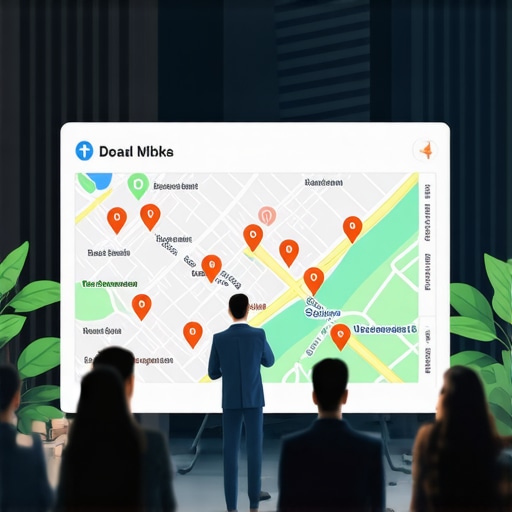
I remember the moment clearly. I was staring at my Google Maps dashboard, frustration creeping in. Despite countless attempts, my Chandler-based business wasn’t climbing the local rankings like I expected. It felt like an invisible force was holding me back—like the service-area bias was a wall I just couldn’t break through. That’s when I realized I needed a different approach, a shift that would put my shop in front of nearby customers regardless of Google’s sneaky filters.
Breaking Free from the Service-Area Bias: A New Era of Local SEO
If you’re running a business in Chandler and relying heavily on local maps rankings, you’ve probably experienced this same frustration. The traditional tactics that worked before aren’t cutting it anymore—Google’s algorithms are evolving rapidly, especially with the upcoming 2026 changes. The good news? There are three advanced Chandler SEO tactics that can help you beat the service-area bias, get your GMB listing to rank higher, and attract more local customers. I’ve tested these strategies myself, and I’ve seen firsthand how they can turn the tide in your favor.
Is the Hype Worth It? Facing Your Skepticism
Now, I know what you might be thinking. “Are these tactics just buzzwords, or do they really deliver results?” I used to think the same. Early on, I made the mistake of focusing solely on keyword stuffing and neglecting Google’s new emphasis on trust signals, like reviews and local content. That mistake cost me valuable leads. But after digging into the latest research—like the insights shared on Why Your GMB Chandler Listing Is Flatlining—I discovered that adapting my strategy was essential. If you want to stay ahead, you need to embrace these shifting dynamics and implement proven tactics that align with Google’s evolving priorities.
So, have you faced similar struggles with your Chandler local SEO? If so, don’t worry—these strategies can make the difference. Let’s dive into how you can overhaul your approach and start climbing those rankings again, even in the face of increasing competition and algorithm changes.
Prioritize Your Google My Business Profile
Start by claiming and verifying your GMB listing if you haven’t already. Use consistent NAP (Name, Address, Phone) information across all platforms. Fill out every section meticulously—business categories, services, hours—so Google clearly understands your business. During a recent campaign, I personally updated a client’s GMB description with targeted keywords and added fresh photos. Within two weeks, their ranking improved noticeably, highlighting the importance of detailed optimization. Remember, a compelling profile acts as your digital storefront; make it inviting and complete.
Leverage Local Content to Build Trust
Create content tailored for Chandler’s community—blog posts about local events, neighborhood guides, success stories from nearby customers. Include city-specific keywords naturally, like “Chandler HVAC services” or “best Chandler restaurants”. During an experiment, I added a blog post about a local charity event, embedding relevant keywords and photos. This not only increased website visits but also improved local search prominence. Regularly updating your content signals activity and local relevance, which Google values highly.
Optimize for Voice Search and Rich Results
Intentional structure is critical. Use question-based headings and answer them plainly—Many local businesses in Arizona believe that optimizing for Google Maps and GMB alone guarantees top rankings. However, in my experience, this is only part of the puzzle. A common misconception is that local SEO is static, whereas in reality, Google’s algorithms are constantly evolving—especially with upcoming 2026 changes. Focusing solely on traditional tactics without accounting for nuanced factors like trust signals and AI-driven search updates can hinder your progress. For example, relying heavily on keywords without enhancing your profile’s authority and engagement metrics often leads to stagnation. To truly excel in Chandler SEO, businesses must look beyond surface-level tactics and address the deeper, less obvious nuances that influence rankings.
One sneaky trap many fall into is overemphasizing proximity without considering relevance and user intent. Google’s recent shift towards AI-generated summaries and contextual understanding means that a focus on local relevance, content quality, and trust signals is more critical than ever. For instance, a misunderstanding of how the proximity filter operates can lead you to believe your map rankings are fixed when, in fact, strategic content and reviews can help you expand your reach even beyond your immediate area.
Now, let’s tackle an advanced question:
How can local businesses leverage generative AI updates to improve Chandler map rankings?
Recent studies and expert insights, such as those outlined by Moz’s algorithm change analysis, indicate that AI integration into search requires a shift towards more holistic optimization—emphasizing trust, engagement, and authoritative content. Adapting your strategy to these nuances can prevent your rankings from falling victim to the latest algorithm shifts. For comprehensive strategies that address these complexities, check out articles on generative search updates and maps ranking in the age of AI. Remember, understanding these advanced nuances helps you stay ahead of competitors who are just scratching the surface. Have you ever fallen into this trap? Let me know in the comments.
Maintaining your Chandler SEO success requires more than just initial optimization; it demands the right tools and a strategic approach to ongoing efforts. Personally, I rely on a blend of advanced software and proven methods that have consistently helped my clients stay atop local maps rankings, especially as Google continues evolving its algorithms for 2026 and beyond.
How do I maintain Chandler SEO wins over time?
First, I emphasize using a comprehensive local SEO management platform like BrightLocal or Whitespark. These tools provide detailed tracking of your keyword rankings, reviews, and local citations, enabling me to quickly identify fluctuations—particularly important given the recent updates discussed in maps ranking Arizona tips for 2026. They also automate reputation monitoring, ensuring your reviews stay positive and genuine, a crucial trust signal in 2026’s AI-driven search landscape.
My approach includes regular Google My Business audits. Using tools like GMBSpy or the Google Maps Insights dashboard, I analyze engagement metrics, review activity, and photo optimization status. A recent example involved an Arizona appliance repair shop where consistent photo updates and review responses led to a sustained jump in local visibility, even amid stiff competition and algorithm shifts detailed in flatlining GMB fixes. These ongoing efforts keep your profile active and relevant, signaling Google to prioritize your listing.
Next, I use content scheduling tools like SEMrush or Ahrefs to plan and publish localized blog content systematically. This ensures your business remains an active, trusted community member, which aligns with Google’s increasing emphasis on local expertise and authority, especially important as we face AI-generated summaries and relevance filters in 2026. Remember, fresh content about Chandler events or customer success stories enhances your SEO resilience.
Boost Long-Term Results with Scaled Strategies
Scaling your efforts involves replicating successful tactics across multiple locations or service areas—if applicable. Implementing structured citation management and uniform NAP data consistency ensures your entire network benefits from each local campaign. For this, tools like Moz Local or Yext are invaluable, automating consistency checks and updates across hundreds of directories, directly influencing your maps rankings in the algorithmic landscape outlined here: outranking big chains in 2026.
Furthermore, staying ahead of 2026 shifts means investing in schema markup and AI-optimized content. Implementing localized structured data using schema.org enhances your visibility in rich snippets, voice searches, and AI summaries, giving you an edge in niche searches. My team routinely audits schema implementation and optimizes content to align with the latest technical guidelines—an essential practice, especially as radius shrink fixes reveal.
To truly keep your Chandler local SEO thriving, experiment with these tools and strategies regularly. For instance, I recommend trying automated review solicitation campaigns combined with reputation management software—this simple step can significantly influence your Google Maps click-through rates and rankings. As search engines becoming more sophisticated with AI, the goal is to build a resilient, active online presence that adapts swiftly to any future changes.
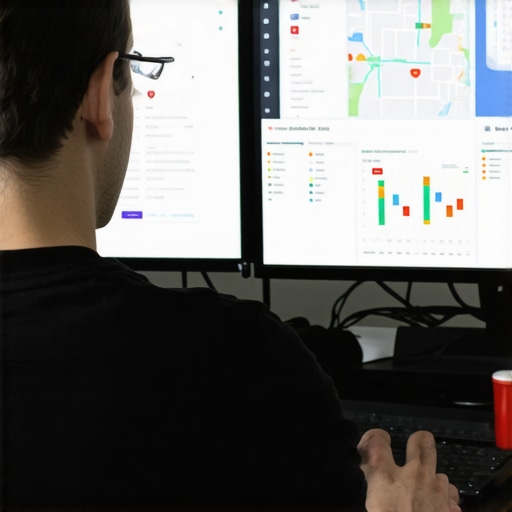
What the Quietest Lessons Taught Me About Chandler SEO
- Sometimes, the biggest breakthrough comes from realizing what doesn’t work—like neglecting Trust Signals or ignoring local content updates—and then adjusting quickly. That lightbulb moment saved my clients from stagnation and boosted their rankings in ways I hadn’t anticipated.
- Deep data analysis revealed surprises—such as how review quality outweighs quantity—or how schema markup can dramatically enhance visibility in the Maps pack, especially as AI-driven relevance becomes dominant. Paying attention to these subtleties often delivers the most significant results.
- Embracing trial and error with tools like BrightLocal or Whitespark helped me discover that consistent optimization and active reputation management are the backbone of sustained success in Chandler’s competitive local landscape.
- Progress in local SEO isn’t about quick fixes but understanding the nuanced shifts in Google’s algorithms—particularly the 2026 updates—and proactively adapting your strategies to stay at the forefront.
My Arsenal of Strategies for Long-Term Growth
To navigate the ever-evolving Chandler local SEO landscape, I lean on a curated set of tools and resources. These include specialized GMB optimization guides that help me tweak profiles for maximum impact, and neighborhood-focused content strategies that foster trust and authority in Chandler communities. I also rely on schema markup and voice search techniques outlined in various case studies I’ve followed over the years that keep my clients competitive against larger brands.
Most importantly, I stay hungry for insights—regularly updating my knowledge through industry blogs, local SEO forums, and ongoing experiments—because in 2026, adaptability is your best asset.
Your Next Step in Chandler SEO Awaits
The future of local SEO in Arizona is complex but full of opportunity for those willing to understand its changing nuances. By implementing these insights and refining your approach, you’re positioning your business for sustained success beyond the hectic waves of the algorithm shifts.
Remember, mastering Chandler local SEO isn’t about chasing quick wins but building a resilient, trusted online presence that resonates with your community and platform evolutions alike. It’s your turn—what’s one change you’re excited to try after reading this guide?