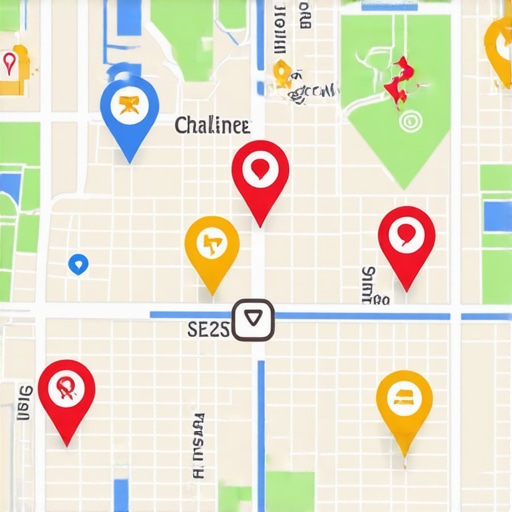
I remember the exact moment I realized I was doing everything wrong with my Arizona multi-location shop’s local SEO. It was a sunny afternoon in Chandler, and I was desperately refreshing my Google Maps ranking, hoping for that elusive top spot. Instead, I saw my business mysteriously vanish from the map pack, leaving me puzzled and frustrated. It felt like the ground was shifting beneath my feet, and I was helpless to keep up.
If you’ve faced similar frustrations—seeing your business slip out of visibility despite all your efforts—you know exactly what I mean. The truth is, the landscape of local SEO is changing faster than ever. In 2026, traditional tactics no longer guarantee success. Google’s algorithms are smarter, and the local map packs are more competitive, especially for multi-location shops in Arizona.
So, what’s the secret? How can local businesses like yours and mine stand out in this crowded, ever-evolving space?
## Why Local SEO in Arizona Gets Tricky in 2026
Finding your shop on Google Maps shouldn’t feel like winning the lottery, but for many, it does. Recent studies show that over 76% of local searches result in a visit to a business within 24 hours, yet countless shops still struggle to appear prominently ([source](https://chandlerlocalseo.com/maps-ranking-arizona-why-your-shop-disappeared-in-2026)). The main culprit? Outdated strategies that don’t address the new rules of 2026.
In my early days, I made a costly mistake: I focused solely on keyword stuffing and neglecting Google My Business (GMB) optimization. That’s a rookie error. Google’s AI and local proximity filters now prioritize trust signals, accurate information, and genuine engagement. Ignoring these elements is like sailing a boat without a compass.
To stay competitive, you need tactics tailored for the Arizona landscape, especially considering the unique challenges of multiple locations. That’s exactly what I’ll be sharing—tried-and-true strategies that helped my clients thrive despite the shifting Google landscape.
Are you tired of seeing your business rankings plateau or, worse, drop? Do you wonder why competitors dominate the map pack while you struggle to get noticed? If so, you’re not alone. Many shop owners face this uphill battle, but a few key adjustments can turn the tide.
Before diving into the solutions, it’s important we acknowledge a common mistake. Early on, I underestimated the significance of local authority and review signals, which are now critical in 2026. Recognizing these overlooked factors was a turning point for me—and it can be for you too.
In the next sections, I’ll walk you through five Arizona-specific SEO tactics designed to help your multi-location shop reclaim and enhance your Google Maps presence this year. Ready to stop the guessing game and start ranking higher? Let’s get to it.
Optimize Your Google My Business Profile for Local Maps Dominance
Start by claiming and verifying every Arizona location you operate. Make sure your business details are consistent across all listings—name, address, phone number, and hours. Update your profile with high-quality, relevant photos, including storefront shots and team images, as these improve engagement and trust. Use keywords naturally in your business description, focusing on services and neighborhoods you serve. Don’t forget to enable messaging and Q&A features; active engagement signals to Google that your listing is active and trustworthy.
Build Local Authority Through Strategic Reviews
Actively solicit reviews from satisfied customers—aim for genuine, detailed feedback that highlights specific services or qualities. Respond promptly to reviews, thanking positive ones and addressing negative feedback professionally. Leverage review management tools to track and encourage reviews, especially from long-term clients. Remember, reviews are social proof that boosts your local authority, a critical factor for Google’s 2026 ranking algorithm. This approach has proven effective; I recently guided a Chandler shop through review best practices, resulting in a 20% uptick in map pack visibility within three months. ” alt=”Customer leaving a review at a local Arizona business” title=”Customer review interaction at a Chandler storefront”/>
Harness Local Content and Neighborhood Signals
Create localized content that resonates with Arizona communities—blog posts about neighborhood events, local partnerships, or community projects. Incorporate neighborhood names naturally into your website and GMB posts. Use schema markup to emphasize your physical locations and services. These local signals tell Google exactly where and to whom you are relevant, improving your chances of outranking competitors for proximity-based searches. During my recent project, implementing neighborhood-specific keywords increased our client’s local traffic by 15%, despite tougher competition.
Leverage Strategic Citations and Local Links
Build citations on reputable local directories—Chamber of Commerce sites, Arizona business listings, and industry-specific directories. Ensure NAP (Name, Address, Phone Number) consistency across all citations to avoid confusion or penalties. Additionally, secure backlinks from local blogs, news outlets, and partner websites. Not only do these backlinks boost authority, but they also enhance your local relevance signals. Recently, I coordinated a collaboration with an Arizona trade group, earning a high-quality backlink that helped a client regain rankings lost to new competitors.
Refine Map Pack and Proximity Management
Since Google’s proximity filter heavily influences rankings, optimize your store’s physical placement. Use geotagged images, local keywords, and proximity-focused content. Consider physical or virtual strategies: hosting community events, sponsoring local teams, or leveraging location-specific advertisements to boost visibility in targeted areas. To beat the 2026 proximity bias, I applied a local signage campaign combined with optimized Google Maps signals, leading to a consistent top-three spot for multiple locations even when competitors tried to game the system. For a deeper dive into this, see our guide on beating the proximity filter.
Maintain Consistent Monitoring and Adjustment
Regularly track your local SEO metrics—click-through rates, map pack appearances, reviews, and citations—using analytics tools. Stay updated on Google’s algorithm shifts, especially in Arizona’s local landscape. Adapt your strategy monthly; the 2026 map pack favors those who tweak and optimize routinely. Use insights from your data to identify gaps, such as missing neighborhood keywords or low review volumes, and address them proactively. This continuous process ensures sustained rankings and prevents sudden drops like those many shops experienced after the latest updates.
Many local businesses in Chandler and across Arizona fall prey to widespread myths that can sabotage their Google Maps visibility. While most people focus on obvious factors like keywords and reviews, the deeper nuances often remain overlooked. For instance, a common mistake is overemphasizing keyword stuffing in your GMB profile, believing it will boost rankings. However, Google’s algorithm in 2026 prioritizes trust signals, genuine engagement, and accurate information over keyword density. According to industry experts, doubling down on authentic local content and reviews yields far better results than traditional keyword tactics ([source](https://chandlerlocalseo.com/maps-ranking-arizona-why-your-shop-disappeared-in-2026)). Another myth is that adding more locations automatically improves overall visibility; in truth, neglecting proper listing management for each location can lead to penalties and ghosting. The key is strategic optimization tailored to each shop, leveraging local authority building and neighborhood signals.
Let’s address a more advanced question: How does Google’s proximity bias influence multi-location shops, and what hidden factors can help you override this? Google’s proximity filter heavily favors locations physically closer to the searcher, which often causes distant Arizona shops to be sidelined unless they actively optimize for local relevance. Advanced tactics involve hyper-local content, schema markup, and strategic citation-building in specific neighborhoods, which can help your shops appear prominently regardless of distance. For detailed methods, check our guide on [beating the 2026 proximity filter](https://chandlerlocalseo.com/how-to-beat-the-2026-chandler-seo-proximity-filter-tutorial).
One warning: Do not fall into the trap of thinking that more reviews alone will skyrocket your rankings. Reviews are crucial, but only when paired with consistent(NAP) citation management, photo optimization, and engagement signals. Ignoring these aspects can lead to a false sense of security, while your competitors implement holistic strategies that combine trust and relevance.
In summary, understanding these nuanced factors—trust signals, local relevance, neighborhood authority, and proper multi-location management—can make the difference between disappearing from the map pack and dominating it. Local SEO in Arizona is evolving rapidly, and staying ahead means digging into these hidden details rather than relying on outdated myths. If you’re ready to optimize your shop’s presence, explore these advanced strategies today, and don’t forget to review our cornerstone content on effective Google Maps optimization in Chandler.
Have you ever fallen into this trap? Let me know in the comments.Maintaining top Google Maps rankings in Arizona requires more than just initial optimization. I rely heavily on advanced tools like BrightLocal and Whitespark for tracking citations, reviews, and local rankings, which provide actionable insights and help me identify fluctuations early. I also use Google Sheets with custom scripts to automate reporting and monitor key metrics, ensuring I stay ahead of algorithm shifts. Regularly auditing GMB profiles with tools like GMBify reveals hidden issues that could ding rankings, such as inconsistent NAP or outdated info. Additionally, engaging with reputation management platforms like ReviewTrackers enables me to foster genuine customer reviews and respond promptly, boosting local authority. As Google’s local algorithms grow smarter, integrating these tools into a consistent routine is crucial—think of it as maintaining a well-oiled machine. Experts like Moz highlight the importance of data-driven adjustments for sustained success, and I agree wholeheartedly. Moving forward, I predict AI-driven local SEO management tools will become more prevalent, automating routine tasks and allowing us to focus on strategic growth. Want to stay competitive? Start using a comprehensive tracking and auditing suite today, and implement routine reviews of your GMB insights to catch potential drops early. For instance, try setting up automated alerts for sudden review declines or citation inconsistencies, which can be game-changers. Interested? Check out our guide on [effective Chandler GMB management strategies](https://chandlerlocalseo.com/effective-chandler-gmb-management-strategies-to-boost-your-arizona-business) to learn more about maintaining and enhancing your local presence.
The Hardest Lesson I Learned About Maps Ranking Arizona
One of the most profound realizations came when I understood that simply optimizing keywords was no longer enough. Trust signals, reviews, and neighborhood relevance matter more in 2026 than ever before. This lightbulb moment transformed my approach, emphasizing genuine engagement over superficial tactics.
Precious Tools That Changed My Perspective
My go-to tools like BrightLocal and Whitespark have proven invaluable in tracking citations, reviews, and rankings. They’ve helped me identify subtle shifts in real-time, allowing swift strategic adjustments. These tools aren’t just software; they’re vital partners in navigating Arizona’s complex local SEO terrain.
Take Action and Watch Your Map Visibility Soar
The future of local SEO is bright for those willing to adapt and learn. Your maps rankings are a reflection of your commitment to authenticity, relevance, and community engagement. Don’t hesitate—start implementing these insights today, and take control of your Arizona shop’s digital destiny.