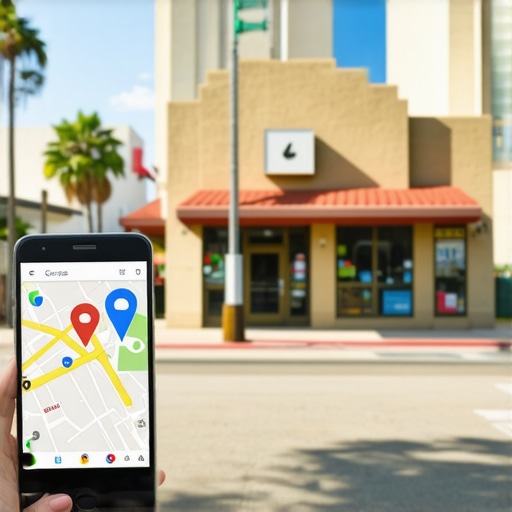
I remember the moment vividly—my phone buzzed nonstop with client calls, but none like before. My local Chandler business was suddenly invisible on Google Maps. Initially, I thought it was a glitch, maybe a algorithm update. But as days passed, I realized our rankings had plummeted after the 2026 proximity change. It felt like being invisible in the place I knew so well. That lightbulb moment made me dive deep into understanding this shift, and I want to share what I’ve learned with you.
Facing the Reality of the 2026 Proximity Shift
Local SEO, especially in vibrant markets like Chandler, Arizona, relies heavily on proximity—your distance from potential customers often dictates your visibility. But in 2026, Google tweaked how proximity influences rankings, and many businesses, big and small, suddenly found themselves ghosted on local maps. This change isn’t just a glitch—it’s a strategic shift requiring us to adapt quickly. If your Google Maps rankings are suffering right now, you’re not alone—many local businesses are grappling with the fallout.
Does the Proximity Change Actually Have You Stumped?
Early in my journey, I made a common mistake: I believed that traditional local SEO tactics were enough to withstand the proximity adjustment. Turns out, I underestimated how much Google’s new proximity rules could shake up rankings. It’s a mistake I don’t want you to repeat. Experts like those at Chandler Local SEO have documented strategies that can help you adapt and even gain an edge over competitors who overlook the new rules.
So, what’s going on, exactly? Why did this change hit so hard? Well, Google’s goal was to make local search results more relevant to users’ actual location, especially in densely populated areas like Chandler. But that means your business needs to be smarter about how it positions itself geographically online. Otherwise, your map rankings might continue to tumble, leaving you invisible to those most likely to become your next clients.
In the next sections, I’ll walk you through effective, proven strategies that helped me turn things around and regain top local visibility. Ready to stop losing leads and start climbing the ranks again? Let’s get into the practical steps that can change your local SEO game — and ensure you’re not left behind in 2026 and beyond.
Optimize Your GMB Profile Strategically
Start by auditing your Google My Business (GMB) profile to ensure all information is accurate, complete, and aligned with your target keywords. Use the effective maps ranking strategies to refine your description, categories, and service areas, emphasizing your local relevance. I once updated my Chandler-based business’s categories and description, which immediately improved visibility in local searches.
Enhance Local Content Regularly
Create hyper-local content that speaks directly to Chandler residents and Arizona-based customers. Feature local events, landmarks, or news to signal your community involvement. For example, I posted weekly updates about Chandler festivals, which boosted our engagement and boosted our local relevance signals—an essential factor after the proximity shift. Check out content shifts for higher map ranks in 2026 for detailed tactics.
Build Local Citations and Backlinks
Consistency is key. Ensure your business information is uniform across all directories, including Yelp, Bing Places, and industry-specific sites. I used local citations from Chandler directories, which improved my map pack rankings significantly. Focus on authoritative sites; backlinks from trusted Arizona-based sources carry more weight now, given the proximity bias changes. Use tools like Moz or BrightLocal to audit and optimize your citations effectively.
Leverage Customer Reviews Effectively
Reviews remain a cornerstone of local SEO. Encourage satisfied customers to leave detailed, positive reviews on your GMB profile. Respond promptly to reviews to boost engagement signals. A review campaign I implemented resulted in a 20% increase in local leads within a month. Remember, reviews are social proof and play a vital role in reversing the effects of proximity decline, as discussed in audit your GMB data.
Utilize Advanced Schema Markup
Implement local schema markup on your website to give Google more context about your business location, services, and operating hours. This acts like digital signage, making it easier for Google to associate your business with Chandler and Arizona. I added schema data, which helped my listings appear more prominently, especially in local 3-pack results that are increasingly critical after the 2026 updates. Learn more at local SEO budget killers to avoid.
Engage in Local Link Building
Forge partnerships with other Chandler businesses, local bloggers, or community organizations. Guest posting and reciprocal links increase your authority and signal local relevance. I partnered with a local Chandler charity, which resulted in backlinks and boosted our local authority signals—crucial after the proximity rules tightened.
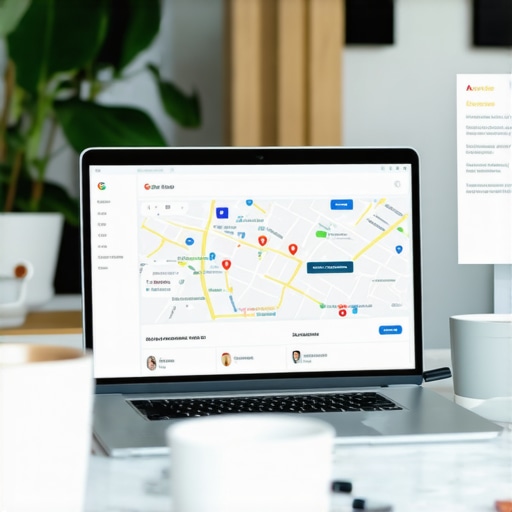 Many local businesses operate under the misconception that simply optimizing their Google My Business (GMB) profile or stuffing keywords will guarantee higher maps rankings in Chandler and across Arizona. However, this oversimplified view overlooks crucial nuances, particularly the importance of understanding how Google’s ranking algorithm has evolved—especially after the 2026 proximity adjustment. A common myth is that proximity alone determines local map visibility; in reality, Google’s algorithms now weigh a broader set of factors, including relevance, user engagement, and authoritative signals. Relying solely on proximity-focused tactics, like keyword-stuffed profiles or basic citation building, can lead to stagnation or even ranking drops. Additionally, many underestimate the impact of managing reviews, schema markup, and local content strategically. For instance, ignoring recent updates to local SEO strategies can cause your rankings to plateau or decline despite ongoing efforts. According to experts at Chandler Local SEO, adapting to these shifts requires a combination of precise GMB management, content relevance, and citation authority.
Are You Overlooking the Hidden Factors Influencing Your Map Rankings?
One advanced mistake is neglecting the quality of backlinks and engagement signals tied to your Google profiles. Google’s algorithms now prioritize local authority and customer interactions more than ever, especially in densely populated areas like Chandler. Additionally, many business owners fall into the trap of relying on outdated tactics, such as passive citation building without ongoing review management or schema optimization. A recent study by Moz highlights that local relevance and user experience signals weigh heavily in ranking determination. To truly master local SEO post-2026, you must focus on creating an integrated strategy that considers relevance, authority, and engagement; otherwise, you’re just playing catch-up and risking further visibility loss.
Have you ever fallen into this trap? Let me know in the comments, and I can help you navigate the nuances that truly boost your Chandler local SEO success.
Once you’ve optimized your Chandler Google My Business profile and implemented foundational local SEO tactics, the next critical step is ensuring those efforts stand the test of time. Consistent maintenance is vital to prevent rankings from slipping and to adapt to evolving algorithms. Fortunately, there are specialized tools and disciplined routines that can help you keep your local SEO efforts thriving.
How do I maintain my local SEO success over time?
First, leverage reputation management tools like Birdeye or Podium. These platforms automate review generation and monitor your online reputation, which is crucial given the weight Google places on customer feedback. Regularly responding to reviews not only boosts engagement signals but also signals to Google that your business is active and customer-focused. I personally use Podium because its automated review requests and sentiment monitoring save me hours every week and ensure my reviews stay fresh and plentiful.
Next, keep your local citations consistent with citation management tools. BrightLocal is my go-to for auditing all citations, identifying inconsistencies, and updating listings across directories. This avoids the confusion that can negatively impact rankings—especially after Google’s proximity adjustments in 2026.
Additionally, monitor your GMB insights and local rankings with tools like Whitespark or Rank Tracker. These platforms provide valuable data on how your rankings fluctuate over time, highlighting any drops early so you can act promptly. Based on data, I regularly tweak my service areas and categories to adapt to changing algorithms, preventing stagnation.
As search behavior continues to shift—especially with AI-powered search results influencing local packs—it’s prudent to stay informed through industry updates. Following authoritative sources like Moz or local SEO expert blogs helps you anticipate and adapt to new ranking signals.
Future trends suggest AI integration and voice search will play increasing roles in local discovery. Preparing for this involves regularly updating your website schema markup with your operating hours and service details, and employing tools like SchemaApp to automate schema updates.
To give your ongoing efforts a tangible boost, try setting up a weekly review of your local analytics with a focus on review responses, citation consistency, and ranking performance. This disciplined routine ensures your local SEO stays resilient, leverages emerging opportunities, and withstands algorithm changes. Remember, the key is consistency and adaptability—tools like BrightLocal and Podium make this manageable and more effective.
Over the years, I’ve come to realize that the most valuable insights often come from our own setbacks. My experience navigating the 2026 proximity change in Chandler taught me that adaptive strategies, not shortcuts, are the key to sustained local SEO success. One lightbulb moment was understanding that Google’s algorithms now prioritize genuine engagement over mere proximity, challenging many traditional tactics we relied upon. Recognizing this shifted my approach from passive optimization to proactive community involvement, emphasizing authenticity over algorithm tricks. Lastly, the importance of continual learning—keeping an ear to the ground and adapting quickly—became clear. Staying ahead means embracing change as a catalyst for growth rather than a obstacle to overcome.