My Journey with Chandler GMB & Maps Optimization: A Personal Reflection
Starting with my own local business, I quickly realized that mastering Google My Business (GMB) was a game-changer. I remember the first time I optimized my Chandler GMB listing—seeing a noticeable boost in local visibility was exhilarating. It felt like unlocking a secret door to new customers, especially in a competitive market.
The Power of Local SEO Strategies in Chandler
Over time, I delved into effective local SEO strategies tailored for Chandler. One thing I learned is that consistent NAP (Name, Address, Phone Number) information across all online platforms is crucial. I also started focusing on local keywords, which naturally led me to explore Arizona-specific SEO tactics. These efforts helped my business rank higher in Google Maps and local search results, attracting more foot traffic.
My Secret to Dominating Google Maps: Practical Tips
In my experience, optimizing your GMB profile is about more than just filling out basic info. I make sure to upload high-quality photos regularly, encourage happy customers to leave reviews, and respond promptly to reviews, which boosts engagement and trust. I also utilize Google Posts to share updates, offers, or events, keeping my profile active and relevant.
What Makes Google Maps Optimization So Vital?
Have you ever wondered why some local businesses seem to appear instantly when you search nearby? The answer is effective Google Maps optimization. According to Moz’s expert insights, factors like relevance, distance, and prominence significantly influence local pack rankings. From my perspective, focusing on these factors has made a measurable difference for my business.
How Can I Keep Up with the Ever-Evolving Local SEO Landscape?
Staying current in local SEO requires continuous learning. I subscribe to authoritative blogs and attend webinars to keep up with updates. For example, Google frequently updates its algorithms, so adapting quickly is key. Remember, consistent effort and staying informed are your best tools.
If you’re passionate about growing your local business, I invite you to share your experiences or ask questions in the comments below. Let’s learn from each other’s journeys!
Leveraging Schema Markup for Enhanced Local Visibility in Chandler
One of the often-overlooked strategies in local SEO is the implementation of schema markup. By adding structured data to your website, you help search engines better understand your business details, which can lead to rich snippets and improved local pack visibility. For Chandler businesses aiming to dominate Google Maps, integrating schema for local businesses, reviews, and events can make a significant difference.
How Can Hyper-Local Content Drive More Foot Traffic?
Creating hyper-local content tailored to Chandler’s neighborhoods, community events, and local news establishes your authority and relevance. For example, blog posts about upcoming Chandler festivals or spotlighting local partnerships not only engage your audience but also increase the likelihood of earning backlinks and citations. This strategy synergizes with Google My Business optimization, reinforcing your local presence.
Is Your Google My Business Profile Fully Optimized for 2025?
Beyond basic info, ensure your GMB profile incorporates comprehensive details such as service menus, product listings, and FAQs. Utilize the Q&A section proactively by posting common questions and answers related to your services—this not only improves user engagement but also signals relevance to Google. Remember, consistency across all online platforms, including your website and social media, maintains your NAP accuracy.
Why Are Customer Reviews and Engagement Critical in 2025?
Reviews remain a cornerstone of local SEO. According to a Moz article, review signals like quantity, diversity, and recency influence ranking algorithms. Actively encouraging satisfied customers to leave detailed reviews and engaging with them through responses builds trust and boosts your profile’s prominence in Chandler’s competitive landscape.
How Do Google Maps Algorithms Evolve and What Should You Watch For?
Google continuously updates its local search algorithms, prioritizing relevance, distance, and prominence, but also adapting to user behavior trends. For instance, voice search optimization has gained traction, making conversational keywords and FAQs more important. Staying informed through trusted sources like Search Engine Land helps you adapt tactics proactively.
To further enhance your local SEO efforts, consider exploring advanced tactics like Google Maps optimization tips and comprehensive local SEO audits. These can uncover hidden opportunities and ensure your strategies remain aligned with the latest algorithm changes.
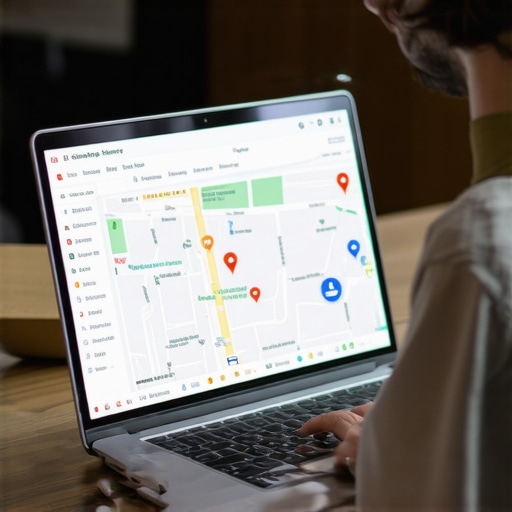
Image suggestion: A Chandler business owner reviewing local SEO analytics on a laptop, with a Google Maps interface open on the screen, emphasizing strategic planning.
Embracing the Nuances of Local Search: My Personal Evolution
As I continued to refine my Chandler GMB strategies, I realized that mastering local SEO is much like tending a garden—requiring patience, attention to detail, and adaptability. One of the most enlightening moments in my journey was understanding how Google’s algorithm increasingly prioritizes user intent and engagement signals over simple keyword matching. This shift compelled me to look beyond traditional optimization tactics and focus on creating authentic, value-driven content that resonates with my local audience.
What Are the Hidden Layers of Google Maps Ranking Factors?
Delving deeper into Google’s ranking factors, I discovered that elements like behavioral signals—click-through rates, dwell time, and review engagement—play a significant role. According to Moz’s comprehensive analysis, these factors can be harder to manipulate but are incredibly powerful in elevating local visibility. From my experience, encouraging loyal customers to interact more with your GMB profile—through reviews, questions, and posts—can create a positive feedback loop that boosts your prominence in Chandler’s competitive landscape.
How Can I Leverage Advanced Schema Markup for Local Impact?
Implementing schema markup has been a game-changer for me. Beyond basic business details, I started experimenting with local business schema, review schema, and event schema to provide search engines with richer context. This not only improved my chances of earning rich snippets but also helped my business stand out in local search results. For those serious about dominating Google Maps, integrating these structured data formats with tools like Google’s guidelines is essential. The payoff is tangible—more visibility, higher click-through rates, and increased foot traffic.
Reflections on Content Strategy: Building Hyper-Local Authority
Another aspect I found increasingly impactful is hyper-local content. Sharing stories about Chandler’s neighborhoods, partnering with local events, or spotlighting community heroes not only builds trust but also enhances relevance. For instance, creating a blog series about Chandler’s annual festivals helped me connect more deeply with my community and earned backlinks from local news outlets. This layered approach—combining on-page optimization with community engagement—creates a resilient local SEO ecosystem that adapts well to algorithm changes.
Are You Ready for the 2025 GMB Optimization Challenges?
As we move closer to 2025, the landscape will continue evolving. Ensuring your GMB profile is comprehensive—covering services, products, FAQs, and engaging Q&A—remains critical. Moreover, I see a growing importance for integrating voice search optimization, especially for queries that are conversational and natural. Staying ahead means not just reacting to updates but proactively shaping your local presence through innovative tactics. For a detailed guide on upcoming trends, check out this resource.
What unique challenges or successes have you experienced on your local SEO journey? I encourage you to share your insights or ask questions below—let’s grow together in mastering Chandler’s vibrant local market.
Final Thoughts: The Power of Persistent Local Optimization
In my experience, the path to local SEO mastery is ongoing. It’s about continuously learning, experimenting, and refining your approach. Each small victory—whether a higher ranking or increased foot traffic—builds confidence and deepens your understanding. Remember, the most successful local businesses I’ve observed are those that treat SEO as a long-term investment, not a quick fix. Keep pushing, stay curious, and don’t hesitate to explore advanced tactics like Google Maps optimization tips to stay ahead of the curve. Your journey toward dominating Chandler’s local search landscape is uniquely yours—embrace it with passion and persistence.
Harnessing the Power of Data-Driven Local SEO for Long-Term Success
As I deepened my understanding of Chandler’s evolving digital ecosystem, I discovered that leveraging robust analytics tools can transform your local SEO efforts from intuitive guesses to precise strategies. Integrating platforms like Arizona-specific SEO tactics with comprehensive data analysis allows you to identify high-converting keywords, track user engagement patterns, and optimize accordingly. This data-centric approach not only amplifies your Google Maps visibility but also ensures your marketing efforts are aligned with actual customer behaviors, creating a resilient, adaptive local presence.
What Role Does Artificial Intelligence Play in Advanced Local SEO?
The integration of AI into local SEO strategies is no longer a future concept but a present-day reality. Tools powered by AI can analyze vast amounts of search data, predict emerging trends, and even generate hyper-personalized content tailored to Chandler’s diverse neighborhoods. For instance, AI-driven chatbots can enhance user engagement on your website and Google My Business Q&A sections, providing instant, relevant responses that boost customer trust and interaction. According to Moz’s expert insights, these engagement signals significantly influence local rankings. Embracing AI-driven solutions can give your business a competitive edge in the complex local search landscape of 2025.
How Can I Seamlessly Integrate Schema Markup with Voice Search Optimization?
Seamless integration of schema markup with voice search optimization has become a strategic necessity. By implementing rich snippets through schema—covering local business details, reviews, and events—you enhance the likelihood of your business being featured in voice search results, which are increasingly conversational and context-aware. Google’s guidelines on structured data provide detailed instructions, and aligning your schema with natural language queries ensures your content is ready for the voice-first era. This layered approach not only improves visibility but also caters directly to the way modern consumers seek information in Chandler’s dynamic market.
If you’re eager to elevate your local SEO game and explore these advanced tactics in depth, I invite you to share your experiences or ask specific questions. Let’s innovate together and unlock the full potential of Chandler’s local search ecosystem.
Building a Resilient Local SEO Ecosystem with Community-Centric Content
Beyond technical optimizations, cultivating a community-centric content strategy has proven invaluable. Sharing stories about local heroes, sponsoring neighborhood events, or creating interactive local guides fosters authentic engagement and strengthens your reputation within Chandler. This approach not only earns backlinks and citations but also builds a loyal customer base that actively advocates for your brand. As I’ve experienced firsthand, cultivating a genuine connection with your community creates a formidable foundation for sustained local visibility.
How Will Future Google Algorithm Updates Shape Chandler’s Local Search?
Staying ahead of future algorithm changes requires proactive adaptation. Google’s increasing emphasis on user experience metrics—such as dwell time, click-through rate, and review engagement—means optimizing your online presence is an ongoing process. Regularly updating your GMB profile with fresh content, responding promptly to reviews, and refining your schema markup are critical tactics. Additionally, keeping abreast of industry insights through authoritative sources like Search Engine Land ensures your strategies remain aligned with the latest trends. Embracing this dynamic landscape with agility and foresight is essential for long-term dominance in Chandler’s competitive local search environment.
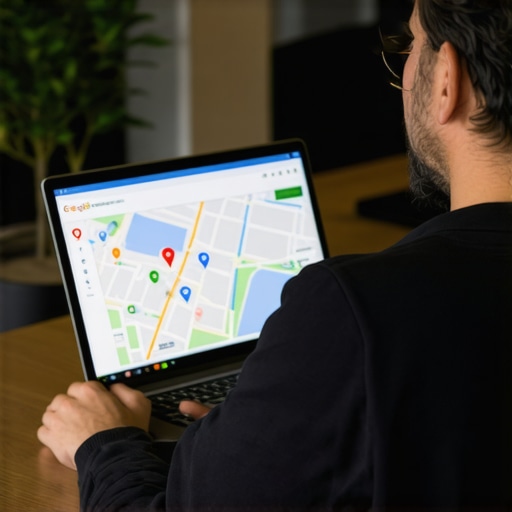
Image prompt: A Chandler business owner analyzing local SEO analytics on a laptop, with a Google Maps interface displayed on screen, highlighting strategic planning.
Things I Wish I Knew Earlier (or You Might Find Surprising)
1. The Power of Authentic Engagement
Early in my journey, I underestimated how much genuine customer interactions—responding to reviews, answering questions—could boost my local rankings. It’s like nurturing a relationship; the more authentic your engagement, the more trust you build, which Google recognizes. I remember spending extra time replying to reviews and seeing a tangible uptick in visibility.
2. Visual Content Is More Than Just Pretty Pictures
Uploading high-quality photos regularly was a game-changer. Not only did it make my profile more appealing, but it also signaled activity to Google. I once hesitated to update images, thinking they were secondary, but I learned they significantly influence local search success.
3. Hyper-Local Content Can Be a Secret Weapon
Focusing on neighborhood stories, local events, and community news helped me connect deeper with my audience. Creating content that resonates locally made my business more relevant, which in turn improved my Google Maps rankings.
4. Schema Markup Is Worth the Effort
Implementing structured data on my website, especially for reviews and local business info, helped my listings stand out with rich snippets. It’s a technical step, but the extra visibility it provides is well worth the effort.
5. Data-Driven Decisions Are Key
Using analytics tools tailored for local SEO allowed me to identify what strategies truly worked. Tracking engagement, clicks, and conversions helped me refine my approach continuously, making my efforts more effective over time.
Resources I’ve Come to Trust Over Time
- Moz’s Blog: A treasure trove of insights on local SEO ranking factors. I’ve learned a lot about how relevance, prominence, and engagement influence my visibility—definitely recommend it to anyone serious about local search.
- Search Engine Land: This site keeps me updated on algorithm changes and emerging trends. It’s my go-to for industry news and expert analysis.
- Google’s Official Guidelines: The best source for understanding how to implement schema markup, optimize your GMB profile, and stay compliant with best practices. I always consult it before making technical changes.
Parting Thoughts from My Perspective
If there’s one thing I’ve learned from my experience with Chandler local SEO, it’s that persistence and authenticity are your greatest allies. Mastering Google My Business and local search isn’t about quick wins; it’s about building a resilient presence that genuinely connects with your community. Incorporate strategies like hyper-local content, schema markup, and active engagement, and stay informed through trusted resources like Moz and Search Engine Land. Remember, the landscape is always evolving, but your dedication and adaptability will keep you ahead. If this resonated with you, I’d love to hear your thoughts or experiences—feel free to drop a comment below or share this with someone on their SEO journey.



Reading this post really resonated with my own journey into local SEO and GMB optimization. I can attest that consistent NAP data and high-quality, frequent photo updates make a noticeable difference in local rankings. I especially agree with the importance of reviews—responding promptly and encouraging customers to share their experiences can build trust and boost visibility. One challenge I’ve faced is maintaining engagement without seeming overly promotional, especially with a limited local customer base. Has anyone found effective ways to foster genuine interactions that don’t feel pushy?
The emphasis on hyper-local content is another takeaway that I’ve been experimenting with—writing about neighborhood events and local stories really helps deepen community ties. I’m curious, how do you all balance creating fresh content with technical SEO tactics like schema markup? Do you integrate these strategies or focus on one more than the other? Overall, continuous learning and authentic engagement seem to be the most promising long-term strategies for standing out in Chandler’s competitive local market.
Reflecting on this post, I can definitely relate to the importance of consistent NAP data and high-quality visuals in boosting local search visibility. In my experience, one often overlooked aspect is the strategic use of Google Posts. Regularly sharing updates and offers not only keeps your profile active but also signals to Google that your business is engaged and relevant. I’ve seen a tangible lift in click-through rates when I maintain an active posting schedule.
Regarding hyper-local content, I’ve found that blending community stories with practical information about services helps build trust and authority. It makes the business feel rooted in the local neighborhood, encouraging more community loyalty.
For balancing content creation with schema markup, I prioritize schema for structured data but integrate it during website updates—so they’re not separate efforts. Does anyone have tips on automating or streamlining schema implementation without sacrificing accuracy? I think continuous learning and proactive optimization are the real keys, especially as Google’s local algorithms evolve so rapidly.
Reading through this comprehensive reflection truly underscores how transformative effective GMB and local SEO strategies can be, especially in a competitive market like Chandler. I’ve experienced similar results when focusing on consistent NAP information and engaging images, but I’ve also found that leveraging user-generated content, like customer photos and reviews, really amplifies local trust. It’s encouraging to see how integrating schema markup can make a real difference—I’ve been experimenting with review schema on my site and noticed a boost in local snippets. Curious, does anyone have tips on maintaining fresh hyper-local content without it feeling repetitive or overwhelming? I believe balancing regular content updates with technical optimizations like schema and Google Posts is key to sustained growth.
This post really hits home for me, especially the part about continuous learning and adapting to Google’s ever-changing algorithms. I’ve found that regularly updating my Google My Business profile with new photos, responding to reviews, and posting local updates have been instrumental in maintaining visibility. However, I’m curious about the balance between optimizing for search and maintaining authentic community engagement. In your experience, how do you keep the content fresh without it feeling overly curated or impersonal?
Also, I’ve started experimenting with schema markup, particularly for reviews and events, and I’ve seen some promising results in terms of rich snippets. Does anyone have tips on automating schema implementations or integrating them more seamlessly into website updates?
Finally, the importance of hyper-local content can’t be overstated. Sharing neighborhood stories and local news not only boosts your authority but also builds genuine community trust, which I believe is ultimately the key to sustained success. Would love to hear others’ strategies for creating engaging hyper-local content while also keeping their SEO efforts strong.
This post really highlights the importance of consistent and authentic engagement in local SEO. I’ve found that actively participating in local community events and sharing those stories through your Google My Business profile and social media can significantly boost your local presence. It also seems that adding seasonal or event-specific content keeps your profile fresh and relevant without becoming repetitive. Regarding schema markup, I’ve started automating some of the updates via plugins, which helps maintain accuracy without a lot of manual effort. Has anyone experimented with integrating AI tools to generate hyper-local content ideas or to manage schema? I believe leveraging technology smartly can help small businesses stay competitive without overwhelming their resources. How do others balance creating compelling hyper-local content with the technical side of optimization?
Reading this post really resonated with my own journey into local SEO and GMB optimization. I can attest that consistent NAP data and high-quality, frequent photo updates make a noticeable difference in local rankings. I especially agree with the importance of reviews—responding promptly and encouraging customers to share their experiences can build trust and boost visibility. One challenge I’ve faced is maintaining engagement without seeming overly promotional, especially with a limited local customer base. Has anyone found effective ways to foster genuine interactions that don’t feel pushy?
The emphasis on hyper-local content is another takeaway that I’ve been experimenting with—writing about neighborhood events and local stories really helps deepen community ties. I’m curious, how do you all balance creating fresh content with technical SEO tactics like schema markup? Do you integrate these strategies or focus on one more than the other? Overall, continuous learning and authentic engagement seem to be the most promising long-term strategies for standing out in Chandler’s competitive local market.
This post really resonated with me—especially the part about continuously refining your GMB strategy and the importance of hyper-local content. I’ve also been experimenting with neighborhood-focused blog posts and local event sponsorships to build community trust. One thing I’ve noticed is that while technical SEO tactics like schema markup are incredibly valuable, genuine community engagement often has a more lasting impact. I’ve been trying to balance both by automating schema updates with plugins while personally responding to reviews and participating in local online groups. Have others found specific tools or workflows that help efficiently manage both the technical and community aspects of local SEO? It seems like a holistic approach, combining authenticity with technical precision, is the key to standing out in Chandler’s competitive market.