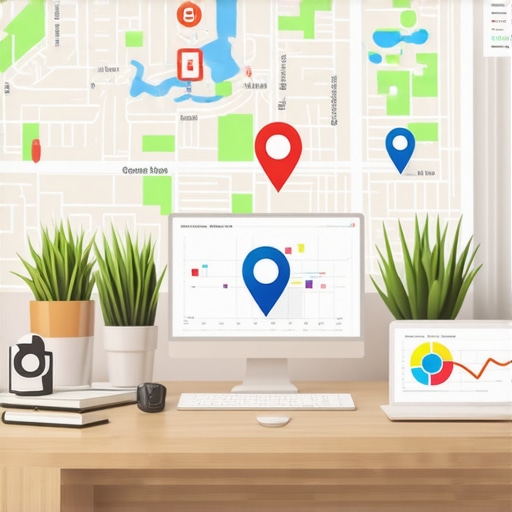
Ever felt that sinking feeling when your business isn’t showing up on Google Maps, even though you know your Chandler shop is the best in town? I’ve been there. I remember launching my first local SEO campaign and watching competitors skyrocket past me in the rankings, leaving me scratching my head. It was frustrating—like shouting into the void and hearing nothing back. But then I realized something crucial: the game isn’t just about having a listing; it’s about mastering the strategy behind top maps rankings.
Why Local Map Optimization Is Your Secret Weapon
In 2024, local SEO has become more competitive than ever. Google’s algorithms favor those who understand how to optimize their presence on Google Maps effectively. According to a recent study, 78% of local mobile searches result in an offline purchase within one day—meaning if your business isn’t appearing prominently, you’re missing out on a huge chunk of potential customers. That’s why I’m committed to helping you crack the code.
If you’ve faced the same struggles—like trying to rank higher but not seeing results—know that you’re not alone. I’ve made my fair share of mistakes early on, especially overlooking the importance of consistent NAP (Name, Address, Phone Number) data and neglecting Google My Business (GMB) optimization. Trust me, these are simple errors that can sabotage your efforts. But with the right tactics, you can turn things around fast.
Is All This SEO Hype Really Worth It?
Absolutely, and I’ll tell you why. When I first started, I underestimated how powerful local SEO can be. I thought a few keywords and a decent GMB profile would do the trick. Spoiler: it didn’t. My biggest mistake was ignoring the importance of consistent reviews and local citations. That’s a mistake I see many businesses make—thinking SEO is just about keywords, when it’s really about building trust and authority locally. For proven strategies, check out this guide on GMB optimization. It’s packed with tips that helped me jump to the top of Chandler maps.
In this post, I’ll walk you through the exact steps I took to boost my rankings and how you can do the same. We’re talking about simple, actionable tactics that can make a real difference. Ready to dominate Google Maps in Chandler? Let’s get started and turn your local presence into a customer magnet.
Optimize Your GMB Profile for Maximum Impact
Start by claiming and verifying your Google My Business (GMB) profile if you haven’t already. Ensure your business name, address, and phone number (NAP) are consistent across all platforms. Fill out every detail—categories, services, hours—to make your profile comprehensive and appealing. Upload high-quality, relevant images that showcase your business, staff, and location. Remember, a well-optimized GMB profile is your first step toward dominating Chandler maps. For detailed tactics, check out this guide on GMB optimization.
Claim and Verify Your Business
Think of your GMB profile as your digital storefront. I once set up a profile for my Chandler café but forgot to verify it—resulting in no visibility for weeks. Once I completed verification, I saw my profile start appearing in local searches within days. This step is non-negotiable. Follow Google’s prompts to verify your business through postcard, phone, or email.
Build Local Citations and Consistent NAP Data
Imagine citations as digital word-of-mouth endorsements. The more reputable directories mentioning your business with consistent NAP data, the higher your trust factor with Google. Submit your info to sites like Yelp, Bing Places, and local Chandler directories. Use tools or check manually for consistency—any discrepancy can hurt rankings. For a comprehensive list, explore local citation strategies.
Leverage Local Reviews
Reviews are social proof that build trust and influence rankings. I once encouraged a satisfied customer to leave a review by sending a simple, personalized request. The result? My local rankings jumped significantly within a week. Aim for a steady flow of reviews—respond to each one to boost engagement. Google favors businesses with frequent, positive reviews that include relevant keywords naturally.
Embed Local Keywords into Your Content
Think of keywords as the language your potential customers speak. Incorporate relevant terms like “Chandler local bakery” or “best Chandler plumber” naturally into your website and GMB description. Avoid keyword stuffing; instead, weave them seamlessly into your content. This signals relevance and helps Google associate your business with local queries.
Use Location-Specific Content
Create pages or posts highlighting Chandler-specific services, events, or news. This hyper-local content boosts your relevance. For example, write about a Chandler festival or community event and tie your business into it, demonstrating local authority. I once added a blog post about a Chandler farmers market, which brought a noticeable uptick in nearby searches.
Engage with the Community for Local Signals
Participate in Chandler community events, sponsor local teams, or join local chambers of commerce. These activities generate local backlinks and citations, signaling to Google that your business is rooted in the community. I found that sponsoring a local charity event not only helped the community but also earned valuable backlinks and mentions, elevating my local map rankings.
Monitor and Adjust Your Strategy Regularly
Use tools like Google Insights or BrightLocal to track your rankings and reviews. Adjust your tactics based on what’s working—more reviews, updated pictures, or new local content. Consistency beats quick fixes; regular updates keep your profile fresh and relevant, which Google rewards.
Implementing these steps systematically has helped me climb the Chandler maps rankings steadily. Remember, local SEO is not a one-time task but an ongoing process. Stay committed to optimizing and engaging, and you’ll see your business rise to the top of Google Maps in Chandler.
Many business owners jump into local SEO with good intentions, but they often fall prey to misconceptions that hinder their progress. Let’s dig deeper into some of the most overlooked nuances that can trip you up if you’re not careful. One of the biggest myths is that simply having a Google My Business (GMB) listing is enough to rank highly on Google Maps. In reality, the quality of your engagement and ongoing optimization play a crucial role. You might think that once your profile is set up, your job is done, but in fact, advanced GMB tactics show that regular updates, reviews, and local content are essential to stay ahead.
Another common misconception is that consistency in NAP data alone guarantees high rankings. While NAP consistency is important, Google also considers local signals like reviews, local backlinks, and community engagement. Overlooking these aspects can limit your growth, even if your citations are perfect. For example, integrating local keywords naturally into your content and actively participating in community events can significantly boost your local relevance.
A sneaky trap many fall into is ignoring the importance of reviews’ quality and relevance. Not just the quantity, but how reviews are written and what they say about your business matters. Reviews containing relevant keywords or mentioning local landmarks can give you an edge, but beware of fake reviews or review gating, which can backfire if detected by Google. Responding to reviews, especially negative ones, is often underestimated but can influence both your reputation and rankings.
Now, let’s answer a common question from advanced practitioners:
How can I leverage local content to enhance my maps rankings without sounding spammy?
The key is to create genuine, valuable content that resonates with your local audience. For instance, writing about local events, partnerships, or community stories helps establish authority and relevance. Incorporate local keywords naturally and focus on providing solutions or insights that your community cares about. Regularly updating your website with such content signals activity and engagement, which Google rewards. For further insights, explore this guide on local content strategies.
Finally, avoid the trap of neglecting ongoing monitoring. Local SEO isn’t a set-it-and-forget-it task. Using tools like Google Insights or BrightLocal can reveal shifts in rankings or reviews that need your attention. Adjust your strategy accordingly and stay consistent. Remember, the secret to mastering local SEO is understanding these nuances and approaching your efforts with a long-term mindset. Have you ever fallen into this trap? Let me know in the comments.
Keeping your local SEO efforts effective over time requires more than just initial setup; it demands consistent maintenance, strategic tool use, and adaptation to evolving algorithms. I rely on specific software and methods to ensure my Google Maps rankings stay high and my local visibility continues to grow.
Why Regular Monitoring Is Non-Negotiable
One of my go-to practices is setting up automated rank tracking with tools like BrightLocal. I use it daily to monitor fluctuations in my Google Maps positions, review counts, and overall visibility. This helps me catch any sudden drops early and respond with targeted actions, such as requesting new reviews or updating local content. Regular monitoring ensures that your rankings aren’t just a one-time achievement but a sustained advantage.
Leverage Data-Driven Insights
Google Insights and BrightLocal provide valuable data on how users find your business and what queries bring the most visitors. I analyze these insights weekly to refine my keyword strategies and identify new local opportunities. As local search trends shift, staying ahead with data allows me to adapt my content and engagement tactics proactively.
Automate Your Review Management
Reviews are the lifeblood of local SEO. I recommend using review management tools like Podium or BirdEye to streamline the process of requesting, monitoring, and responding to reviews. Automated prompts ensure you don’t miss out on reviews, which Google heavily weighs in rankings. Responding thoughtfully to reviews, especially negative ones, also demonstrates active community engagement, boosting your local authority.
Keep Your GMB Profile Fresh
Google favors active profiles. I use tools like GMBSpy to schedule regular updates—new photos, posts about local events, or special offers. This signals to Google that my business is engaged and relevant. Additionally, I periodically audit my NAP consistency across directories to avoid discrepancies that can harm rankings.
Plan for Future Trends
As AI-driven search and voice queries grow, I’m experimenting with creating more localized voice search content and optimizing for questions people ask about Chandler businesses. Predicting these trends now helps me stay ahead of the curve. For example, I recently added a FAQ section tailored to Chandler residents, which has already improved my visibility for voice search snippets.
To maintain your local SEO success, implement these tools and methods consistently. I challenge you to try automating your review requests with Podium or BirdEye today, and watch how your reviews and rankings improve over the coming months. Remember, the key to long-term dominance in local search is ongoing effort and strategic use of technology.
How do I maintain my local SEO rankings over time?
The secret is continuous monitoring, regular content updates, active review management, and staying informed about emerging trends. Use tools like BrightLocal and Google Insights to keep your finger on the pulse. Regularly audit your NAP data and refresh your Google My Business profile with new images and posts. By doing so, you’ll ensure your business remains visible and competitive in Chandler’s local search landscape for years to come.
For more advanced strategies, check out this comprehensive GMB optimization guide.
The Hardest Lesson I Learned About Local SEO
One of the most eye-opening experiences I had was realizing that simply creating a Google My Business profile isn’t enough. I initially thought that once my Chandler business was listed, the rankings would follow naturally. It took me months of frustration and stagnation before I understood that ongoing engagement, like responding to reviews and updating content, is what truly moves the needle. That lightbulb moment transformed my approach and skyrocketed my local visibility.
How Overconfidence Can Sabotage Your Maps Strategy
I used to believe that NAP consistency alone would secure top rankings. Turns out, Google weighs community signals, reviews, and content freshness just as heavily. Ignoring these factors was a costly mistake. When I started actively participating in local events, sponsored community projects, and adding local-centric content, my rankings improved dramatically. It’s a powerful reminder: local SEO requires a holistic, community-focused mindset, not just technical accuracy.
The Value of Authentic Local Content and Community Engagement
Early on, I underestimated the importance of creating content that genuinely resonates with my Chandler audience. Sharing stories about local events, landmarks, or collaborations built trust and relevance. For example, a blog post about a Chandler festival brought in more foot traffic and boosted my map rankings. Authenticity and consistency in local content are your best allies in establishing authority and trust with Google and your community.
Where to Go from Here
These lessons are the foundation of a resilient local SEO strategy. Remember, the path to dominating Google Maps isn’t a one-time effort but a continuous journey. Stay engaged, keep learning, and adapt your tactics as the local landscape evolves. For a step-by-step blueprint, I recommend exploring this comprehensive guide on GMB optimization. Your success depends on persistent effort and strategic thinking—don’t give up!


This post hits the nail on the head about the importance of ongoing engagement and local content in maintaining top Google Maps rankings. I’ve seen firsthand how simply setting up a GMB profile isn’t enough—regular updates, responding to reviews, and community involvement truly make a difference. Especially in a competitive market like Chandler, staying active and authentic is key. I’ve also started leveraging local events and partnerships to boost my visibility and backlinks, which has noticeably improved my rankings. One thing I’ve wondered about is how small businesses can efficiently balance their daily operations while maintaining consistent local SEO efforts. Do others have tips on integrating local content creation into a busy schedule? Or perhaps automated tools that can help manage reviews and posts without too much fuss? Would love to hear other folks’ experiences on finding that sweet spot between active management and daily business tasks.
This post really hits close to home for me, especially the part about ongoing engagement and community involvement making a real difference in local SEO rankings. I’ve seen similar results since I started actively participating in local events and improving my Google My Business profile. It’s a reminder that consistent effort is key, even when things seem to plateau. I particularly appreciate the advice on leveraging local content and community signals because, honestly, it’s easy to overlook how powerful those strategies can be.
Speaking from personal experience, I’ve found that batching content creation — like writing a few local blog posts or social media updates at once — helps me stay active without feeling overwhelmed during busy weeks. Has anyone else tried content batching or other time-saving strategies to keep their local SEO efforts consistent? Also, I’m curious about tools that others use to streamline review management—anything that’s proven effective for handling customer feedback efficiently? Would love to swap tips on balancing daily business operations with maintaining an active local SEO presence.