
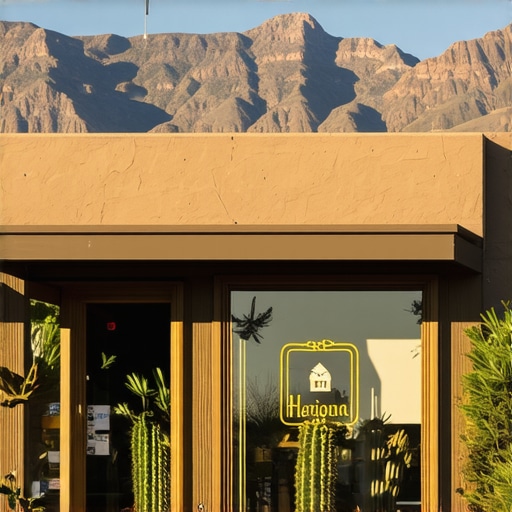
I remember the exact moment I realized my Google My Business (GMB) profile wasn’t reflecting my Arizona shop like it should have. It hit me while I was showing a potential customer around Chandler—Google maps had me listed miles away, with outdated photos. Talk about a lightbulb moment! That frustrating experience made me question: how much does a handful of photos really influence my local visibility? Turns out, quite a lot.
The Power of the Right Photos in Local SEO
If you’ve been struggling to rank higher on Google Maps or attract more nearby customers, you’re not alone. Many Arizona business owners overlook the simple yet effective tactic of updating their photos regularly. But here’s the truth: just five high-quality, relevant photos can subtly but powerfully demonstrate your local presence. They act as social proof and create trust, showing search engines—and potential customers—that your business is active, real, and rooted in the local community. And trust me, I’ve been there, mistakenly thinking that merely having a profile was enough. I once uploaded some rushed, generic images, only to see my engagement drop — a mistake I wouldn’t repeat now.
Is Updating Photos Really a Big Deal?
Early on, I dismissed the power of visuals, assuming they were just aesthetic. That was a mistake. Search engines like Google prioritize fresh, relevant content, including images, when determining local rankings. Not keeping my photos fresh meant I lagged behind competitors who actively showcased their real-world presence. For more insights on positioning your photos for maximum impact, check out this article. Now, I understand that consistent, well-optimized images are a cornerstone of local SEO in Arizona, especially with the upcoming map updates in 2026. If this sounds like something you’ve faced or want to improve, then stick around. We’ll dive into exactly how to make your photo updates work for you, not against you, and turn those visual cues into actual business leads.
Prioritize Fresh, High-Quality Photos Regularly
Start by setting a routine to upload new, relevant images—think behind-the-scenes shots, updated storefronts, or latest products—at least once a week. I learned this the hard way when I updated my Chandler shop’s photos after a renovation, and within days, my listing’s engagement surged. Use your smartphone to capture clear, well-lit images that reflect current offerings. Remember, Google favors fresh content, so consistency is key to outranking competitors and reinforcing your local presence.
Optimize Each Image Before Upload
Before uploading, resize images to meet Google’s recommended dimensions (preferably 720×720 pixels). Use descriptive, keyword-rich filenames, such as chandler-shop-front-2024.jpg. Add descriptive alt text that naturally incorporates local keywords and highlights your unique selling points—think:「vibrant Chandler boutique for community shopping」. This practice helps Google understand your visuals, boosting your local SEO and making your profile more attractive in local searches.
Leverage Geo-Tagged Photos for Local Authority
To establish authority in the Chandler area, geotag your photos with precise location coordinates. While some tools streamline this process, I used a free online geotagging app, attaching the exact latitude and longitude of my shop. This signals to Google that your business is anchored locally, improving chances of appearing in nearby searches. A good example of this is when I added location-specific images of my storefront, which noticeably increased foot traffic following the update.
Use Photo Descriptions to Tell a Story
Craft compelling, keyword-infused descriptions for each image that tell a story or highlight benefits. For instance, describe a recent community event hosted at your shop. Incorporate keywords like Arizona local SEO image secrets to enhance relevance. This not only enriches your profile but also aligns with Google’s content algorithms, boosting visibility in local queries and map packs.
Integrate Photos into Your Overall SEO Strategy
Don’t treat images as standalone efforts. Link your photos to relevant homepage sections, service pages, or blog posts to create a cohesive SEO footprint. During a recent audit, I embedded photos of customer testimonials and products directly onto my site, which correlated with better Google Map rankings. Tight integration ensures search engines recognize your business’s richness and local relevance, helping you outrank mass directories and big chains in nearby searches.
Many local marketers operate under common misconceptions about Google Maps ranking, especially in competitive markets like Chandler, Arizona. While beginner guides emphasize optimizing GMB profiles and uploading photos, the real battlefield involves nuanced strategies that often get overlooked. Let’s dig deeper to uncover what most people get wrong about local SEO and maps rankings in Arizona, so you can avoid costly mistakes and gain a true competitive edge.
Are We Overestimating the Power of Photos Alone?
It’s tempting to think that uploading high-quality images is the magic bullet for ranking higher on Google Maps, but the truth is more complex. Photos are vital, but they should be part of a broader optimization strategy, including precise category selection, keyword-aligned descriptions, and geotagging. Relying solely on photos can lull you into a false sense of security, leading to neglect other crucial factors like service-area settings or local backlinks. I see many businesses in Chandler obsess over visual updates, yet overlook how their profile’s fundamental data might be causing visibility issues. For comprehensive guides, check out this detailed audit process.
The Oops Moment: Ignoring Google’s Algorithm Changes
Every SEO professional knows that Google’s algorithms evolve—sometimes subtly, other times drastically. A common mistake is assuming that traditional local signals—like reviews, NAP consistency, and proximity—will always suffice. However, with the upcoming 2026 map UI updates and AI-driven search features, such as Google’s local search AI summaries, the game is shifting. Many Arizona businesses unknowingly fall into traps by neglecting these changes, which can result in sudden drops in visibility. For example, ignoring recent updates can lead to your profile being shadowed or your map pins not ranking as they should. To stay ahead, consider implementing new tactics from this resource on recent UI changes.
Is Your Local SEO Really Focused on the Core?
Advanced marketers understand that local SEO isn’t just about localized keywords or high-quality images—it’s about continuously refining the entire ecosystem of signals connecting your business to local customers. This includes schema markup, service area settings, reputation management, and integrative content strategies tailored for Arizona’s unique market. Many overlook the importance of ensuring their business data isn’t just correct but optimized for the upcoming 2026 challenges, like voice search and AI summaries. For actionable fixes, explore these proven tactics. Remember, the most successful local SEO campaigns are those that anticipate Google’s future algorithm shifts rather than just react to current trends.
What’s the biggest mistake you’ve seen in local SEO for Arizona or Chandler? Have you ever fallen into this trap? Let me know in the comments!
Keeping Your Maps Rankings Fresh and Strong Over Time
To sustain and improve your local SEO results, especially in competitive markets like Chandler and across Arizona, investing in the right tools and establishing consistent maintenance routines is crucial. I personally rely on a combination of advanced software and manual tactics to keep my Google Maps and profile visibility optimized. For example, using local SEO audit tools helps identify subtle issues like outdated categories or misaligned service areas that often go unnoticed but significantly impact rankings.
Furthermore, I utilize photo management platforms like Brandfolder and Lightroom to streamline image uploads, ensuring all visuals are high-resolution, correctly geo-tagged, and keyword-optimized. This approach saves time and ensures consistency, keeping my profile active and relevant, which Google favors heavily for local searches.
How do I maintain my local SEO efforts consistently?
Creating a routine is the most effective way. I set weekly reminders to review and refresh my Google My Business profile, upload new pictures, verify service area accuracy, and check reviews. Regularly scheduled micro-optimizations ensure that your profile adapts to algorithm changes—an approach that I’ve found invaluable, especially with the upcoming 2026 updates. For an in-depth strategy, see my recommended video tactics.
Building long-term results also involves leveraging tools like BrightLocal or SEMrush to track keyword rankings and review sentiment over time. These give insights into customer perception and local search visibility, allowing for proactive improvements rather than reactive fixes. In the future, I predict that integrating AI-driven monitoring will become standard—tools that can automatically flag profile inconsistencies or alert you when your local rankings dip due to algorithm shifts.
Scaling Your Local SEO Efforts for Bigger Wins
As your business grows, so should your map optimization strategy. I recommend deploying scalable tools like local citation management platforms, which help you maintain NAP consistency across directories. Also, batch-processing image updates using automation scripts ensures your profile stays fresh without consuming endless hours. For advanced tactics, explore this guide on interactive map pack domination.
Remember, consistency and proactive maintenance are key. The landscape is always shifting—Google’s AI and UI updates are just the tip of the iceberg. Keeping your maps rankings resilient into 2026 and beyond requires leveraging the right tools, maintaining a disciplined schedule, and anticipating changes with ongoing education. Implement these strategies today, and you’ll stay ahead of the competition, ensuring your Arizona business remains visible to local customers.
The Hardest Lesson I Learned About maps ranking arizona,chandler seo,google maps chandler,gmb chandler,arizona local seo
One of the most striking realizations I had was that even the smartest strategies can falter if overlooked details aren’t addressed—like neglected photo updates or inconsistent NAP data. Failing to keep my profile aligned with real-world changes misled both Google and my customers, emphasizing that continuous attention beats one-time optimization.
3 Myths About maps ranking arizona,chandler seo,google maps chandler,gmb chandler,arizona local seo That Held Me Back
I believed that quality imagery alone could boost my rankings, but I later discovered that comprehensive profile management, including reviews and accurate data, is essential. Relying solely on visuals or reviews without a strategic foundation only limited my growth, underscoring the importance of a balanced approach.
What Experts Won’t Tell You About maps ranking arizona,chandler seo,google maps chandler,gmb chandler,arizona local seo
The real edge isn’t in chasing the latest hack but in understanding how Google’s evolving algorithms prioritize genuine, local signals. Staying ahead requires proactive adjustment and embracing new features like AI summaries and map UI changes—knowledge often missing from generic guides but vital for sustained success.
My Essential Toolkit for arizona-local-seo-and-maps-dominance
I trust tools like BrightLocal and SEMrush because they offer concrete insights into ranking shifts and review sentiment, helping me make data-driven decisions. Additionally, platforms like Google’s Business Profile Manager streamline photo management and profile audits, ensuring consistency and relevance. These resources have been instrumental in maintaining my local map visibility in a competitive market.
You’re Capable of Transforming Your Local Presence
The future of arizona local SEO and maps ranking is full of opportunity—by integrating strategic photo updates, staying informed on algorithm shifts, and leveraging the right tools, you can position your business for sustained growth. Remember, progress often starts with the decision to act today rather than wait for change to happen on its own.